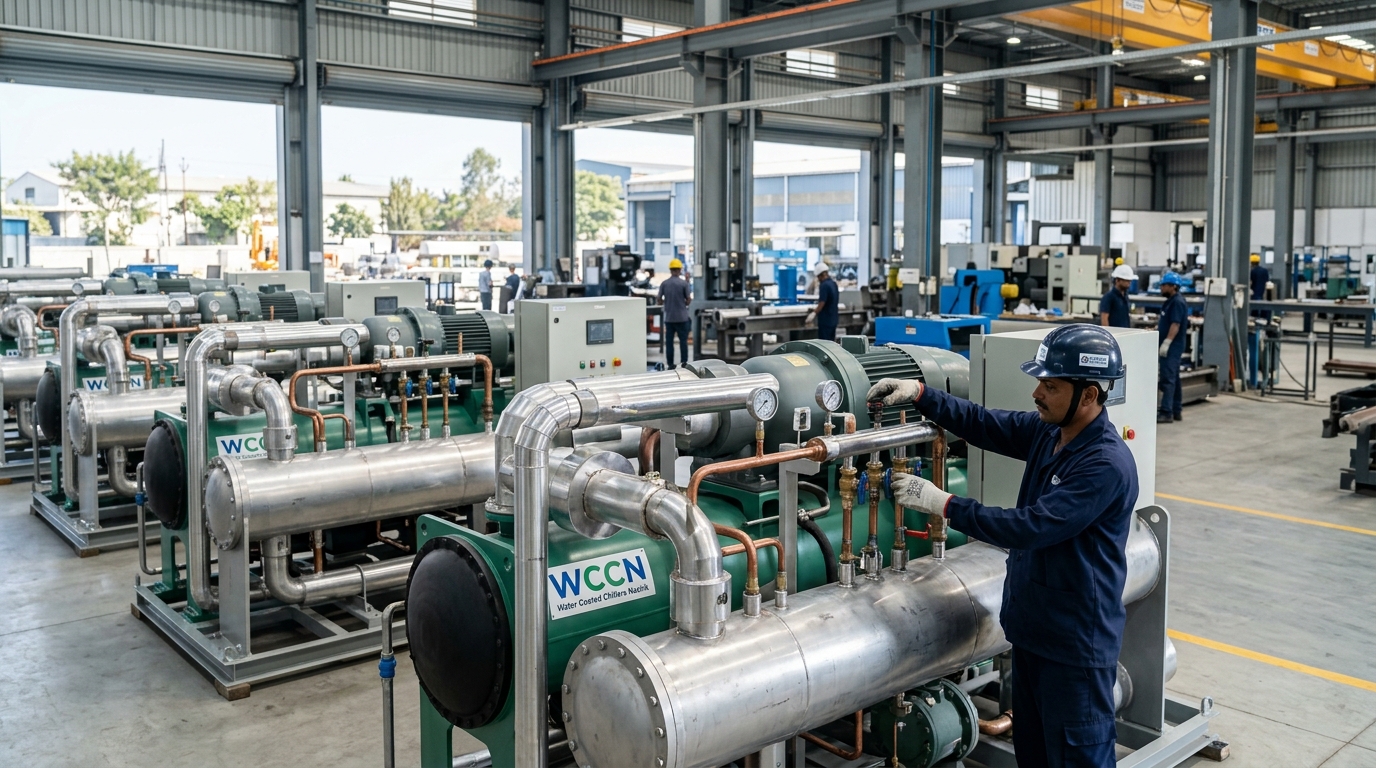
When a business in Nashik faces the challenge of managing process heat or upgrading an aging cooling system, choosing the right industrial chiller is a critical decision. The efficiency, operational cost, and environmental impact all hinge on this choice. Among the top contenders are air-cooled and water-cooled chillers, each offering distinct advantages. Understanding the differences is key to making an informed investment. If you're exploring options, considering a water chiller price Nashik is a great first step to setting your budget and understanding what's available.
To make an informed choice for your operations in Nashik, it's essential to compare these systems across several critical dimensions.
Understanding Core Differences in Chiller Performance and Environmental Impact
One of the most significant distinctions lies in their operational efficiency and environmental footprint. Water-cooled chillers are generally recognized for their higher energy efficiency compared to their air-cooled counterparts. This is because water is a more effective heat transfer medium than air, allowing them to operate with a lower condensing temperature. This efficiency translates into reduced compressor work and, consequently, lower electricity consumption. For businesses with continuous cooling demands, this can mean substantial savings on utility bills over the chiller's lifespan.
However, this efficiency comes with trade-offs, particularly regarding water consumption and noise. Water-cooled chillers rely on cooling towers, which naturally lose water through evaporation, drift, and blowdown. In regions like Nashik, where water conservation is increasingly important, this factor can be significant and must be carefully managed. Despite the water use, their superior energy efficiency often means a lower carbon footprint in terms of electricity generation compared to the higher energy demands of air-cooled systems.
Regarding noise, water-cooled chillers are generally quieter in operation. The primary noise source in air-cooled chillers comes from large fans pushing air over the condenser coils, which can be a concern if the chiller is located near offices or residential areas. For installations where noise pollution is a critical factor, such as those near commercial or residential zones in Nashik, a water-cooled system might be the preferred choice, provided the cooling tower noise is also appropriately managed. Air-cooled chillers, while not consuming water, typically have a higher electricity demand, leading to higher indirect emissions and potentially greater noise output.
Practical Considerations for Chiller Installation, Maintenance, and Use Cases
Beyond performance, practical aspects like installation space, maintenance routines, and typical applications play a crucial role in the selection process. While a water-cooled chiller unit itself might be compact, the overall system requires additional components such as a cooling tower, condenser water pumps, and associated piping. This demands additional outdoor space for the cooling tower and dedicated indoor space for the chiller and pumps. Air-cooled chillers, conversely, are typically self-contained units that reject heat directly to the ambient air. They usually require less indoor machine room space but need ample outdoor clearance for optimal airflow. Assessing your available footprint in Nashik is therefore a critical preliminary step.
Maintenance requirements also differ significantly. Water-cooled chillers come with specific needs due to their reliance on a cooling tower. This includes regular water treatment to prevent scale, corrosion, and biological growth, as well as periodic cleaning of the cooling tower and condenser tubes. Neglecting these tasks can severely impact efficiency and shorten equipment life. Air-cooled chillers, while not requiring water treatment, need regular cleaning of condenser coils to ensure efficient heat rejection, but their overall maintenance complexity is generally lower.
In terms of suitability, water-cooled chillers are ideal for larger industrial applications, data centers, hospitals, and large commercial buildings where high cooling capacity and energy efficiency are paramount. Their ability to maintain consistent temperatures and handle substantial heat loads makes them suitable for critical processes. Air-cooled chillers are often favored for smaller to medium-sized applications or where water availability is a concern, offering simpler installation and lower initial costs for many businesses in Nashik.
Essential Steps Before Investing in a Chiller System
Before making a final decision and proceeding with a chiller purchase and installation, especially for a water-cooled system, thorough due diligence is paramount. Always request a detailed energy consumption estimate based on your specific load profile to project operational costs accurately. It’s also vital to verify that the proposed system includes adequate water treatment solutions and comprehensive maintenance plans, which are crucial for the longevity and efficiency of water-cooled units. Discuss the expected installation duration, which typically ranges from a few days to a couple of weeks depending on complexity, to plan your operations accordingly. Furthermore, ensure all necessary permits for water usage and discharge, if applicable, are in place well in advance. Finally, look for local Nashik providers who offer comprehensive service packages, including preventative maintenance, to avoid future disruptions and ensure reliable long-term operation.
Choosing the right chiller for your Nashik facility ultimately involves weighing initial investment against long-term operational costs, environmental impact, and specific site conditions. A thorough assessment by experienced professionals can guide you to the most economical and efficient solution tailored to your unique requirements.