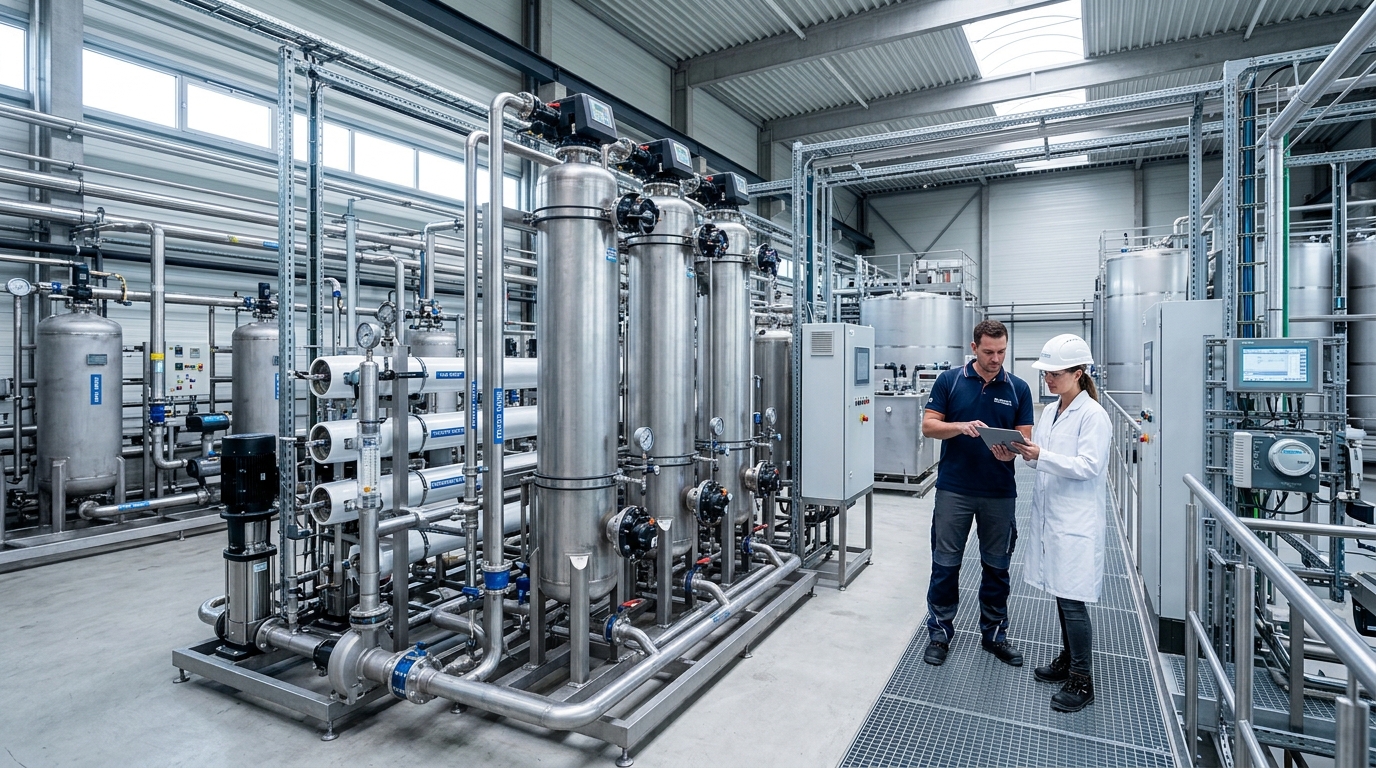
As the vibrant energy of Jaipur's industries continues to grow, so does the demand for highly purified water in various processes. From pharmaceuticals and laboratories to manufacturing and power generation, demineralized (DM) water is crucial for preventing equipment corrosion, product contamination, and ensuring operational efficiency. If your business is considering an upgrade or a new installation, understanding the [dm water treatment plant](https://www.rocareindia.com/dm-plant-manufacturers-jaipur) cost is a critical first step towards making an informed investment. This guide will walk you through the essential factors that influence the overall expenditure of a DM water plant, helping you prepare a realistic budget and make the best choice for your specific needs.
The Core of Demineralized Water Production: Why Purity Matters
A Demineralization (DM) plant is a sophisticated system designed to purify water to exceptionally high standards, primarily utilizing ion exchange technology. This process meticulously removes dissolved mineral salts and ionic impurities from water. Unlike reverse osmosis (RO) systems, which primarily filter suspended solids and some dissolved salts, DM plants focus on extracting nearly all ionic contaminants, producing water with extremely low conductivity.
This high level of purity is indispensable for sensitive industrial applications. In sectors like pharmaceuticals, precision manufacturing, and power generation, even trace amounts of minerals can cause scaling, interfere with chemical reactions, or compromise product quality. DM plants avert these issues, typically involving cation and anion resin columns, often followed by a mixed-bed polisher for ultra-pure water requirements. Understanding this fundamental technology is the first step in appreciating the investment required and its long-term benefits to your operations.
Unpacking the Costs: Key Factors for Your DM Plant Investment
Understanding the full scope of expenses associated with a demineralization plant is vital for sound financial planning. Many variables contribute significantly to the final price tag of a DM water plant. By gaining a comprehensive understanding of these elements, you will be empowered to compare different quotes effectively, ensuring you select a system that notXd only meets your performance requirements but also offers excellent long-term value. This section delves into the primary cost drivers you need to consider.
Plant Capacity: How Much Water Do You Need?
The most significant cost driver is the plant's capacity, measured in Liters Per Hour (LPH) or Cubic Meters Per Day (CMD). A small laboratory-scale unit producing a few hundred liters per hour costs far less than a large industrial plant designed to process thousands. Higher capacities demand larger vessels, more resin, and more robust pumps and piping, directly escalating the capital expenditure. Accurately assessing your current and future water demands is paramount.
Raw Water Quality: The Starting Point Matters
The quality of your incoming raw water significantly impacts the design and cost. Water with high Total Dissolved Solids (TDS), hardness, or organic matter will require more extensive pre-treatment systems. These stages, such as sand filters, activated carbon filters, or water softeners, add to the overall capital expenditure and can influence the size and type of the main DM unit. A thorough raw water analysis is indispensable.
Level of Automation: Manual vs. Automatic
DM plants range from fully manual systems, requiring operator intervention for regeneration and monitoring, to semi-automatic or fully automatic plants. Automated systems use Programmable Logic Controllers (PLCs), sensors, and actuated valves to manage cycles. While increasing upfront cost, automation reduces labor dependency, enhances efficiency, and ensures consistent water quality, often justifying the investment in the long run through reduced operational expenses and improved reliability.
Material of Construction: Durability and Application
Materials for vessels, piping, and components affect both cost and longevity. Choices include FRP (Fiber-Reinforced Plastic), MS Rubber Lined (Mild Steel with rubber lining), and SS (Stainless Steel). FRP is economical; MS Rubber Lined offers durability for larger systems; Stainless steel is chosen for hygienic applications or corrosive chemicals, incurring a higher cost. The selection must align with the specific chemical environment and required longevity.
Ancillary Equipment & Pre-treatment Needs
Beyond the core DM unit, several essential ancillary components are often necessary. These include raw water pumps, booster pumps, chemical dosing systems for pH correction or disinfection, treated water storage tanks, and potentially UV sterilizers or ultrafiltration units. Each adds to the total cost but is crucial for efficient, safe operation and meeting final water quality parameters.
Installation and Commissioning Services
The cost of installing and commissioning involves more than just equipment delivery. It includes site preparation, piping, electrical work, calibration, initial resin loading, system testing, and operator training. These services ensure the plant is set up correctly, functions optimally from day one, and your team is competent. Reliable manufacturers provide comprehensive support.
Post-Installation Support and Maintenance
While not an upfront cost, anticipating ongoing maintenance and support is vital for total cost of ownership. Inquire about warranty periods, Annual Maintenance Contracts (AMCs), availability of spare parts (especially resins), and service response times. A well-structured support plan minimizes downtime, safeguards your investment, and extends the operational life of your DM plant.
Navigating Procurement, Installation, and Long-Term Value
Once you understand the technical aspects and key cost drivers, the next crucial steps involve budgeting, navigating procurement, and focusing on the long-term value your investment will bring. This section provides a roadmap for informed decisions, from initial quotes to selecting the right partner.
Typical Price Ranges for DM Water Plants
Providing exact figures is challenging due to the custom nature of these systems. However, here are general price ranges to help gauge potential investment. These figures are approximate and can vary significantly based on factors like raw water quality and automation levels.
- Small Scale (100-500 LPH): Expect costs to range from ₹1.5 Lakhs to ₹4 Lakhs. Suitable for small labs, pilot plants, or low-volume needs.
- Medium Scale (1000-5000 LPH): Prices typically fall between ₹5 Lakhs to ₹15 Lakhs. Suits many medium-sized manufacturing units requiring consistent DM water.
- Large Scale (10,000 LPH and above): For substantial industrial applications, costs can start from ₹20 Lakhs and go upwards of ₹50 Lakhs or more, depending on complexity and customization.
Always request a detailed quote tailored to your specific raw water analysis and output requirements.
Understanding Installation Timelines
The time from ordering a DM water plant to full operational status varies. For standard, smaller units, manufacturing might take 4-6 weeks, with a few days for installation and commissioning. More complex or larger custom-built systems could require 2-3 months or longer. This timeline includes site surveys, engineering design, fabrication, delivery, assembly, piping, electrical, and rigorous testing. Site readiness and prompt approvals also influence duration.
What to Check Before Committing to a Manufacturer
Choosing the right DM plant manufacturer is crucial for long-term reliability. Before finalizing your decision, consider these points:
- Experience and Reputation: Look for a company with a proven track record in designing, manufacturing, and installing DM plants for similar industries. Check testimonials and case studies.
- Technical Expertise: Ensure qualified engineers understand your water quality challenges and design a suitable solution, providing a detailed technical proposal with clear specifications.
- After-Sales Service: A robust after-sales support system is vital. Confirm local service technician availability, spare parts, and emergency support, especially for quick response in Jaipur.
- Warranty and Certifications: A comprehensive warranty covering both parts and service offers protection for your investment. Check for industry certifications (e.g., ISO) that validate quality management.
Warning Signs of a Poor Quality DM Plant or Service
While a lower price can be appealing, be wary of offers that seem too good to be true, as cutting corners leads to higher operational expenses and inconsistent water quality.
- Unrealistically Low Prices: Significantly lower quotes might indicate compromised material quality, skipped essential components, or inadequate service provisions.
- Lack of Detailed Site Assessment: Reputable manufacturers insist on thorough site visits and raw water analysis. Generic proposals without this step are a red flag.
- No Clear Warranty or Support: A vague or non-existent warranty and unclear after-sales support lead to significant headaches and costs.
- Pressure for Immediate Decisions: High-pressure sales tactics without ample review time should raise concerns about transparency.
What's Included in a Standard DM Plant Package
A typical DM water plant package usually encompasses several key components and services. While specifics vary, you can generally expect:
- Ion Exchange Vessels: Cation, anion, and potentially mixed-bed resin columns.
- Regeneration System: Chemical tanks, dosing pumps, and injectors for acid and alkali.
- Piping and Valves: Interconnecting piping, manual or actuated valves.
- Instrumentation: Pressure gauges, flow meters, and conductivity meters.
- Control Panel: Electrical panel with motor starters, indicators, and often a PLC.
- Initial Resin Charge: Necessary ion exchange resins.
- Installation, Commissioning, and Training: On-site setup, testing, and operational training.
Items like raw water pumps, treated water storage tanks, and extensive pre-treatment units might be quoted separately, depending on your existing infrastructure.
Making a Smart Investment in Your Business's Future
Investing in a DM water plant is a strategic decision that impacts your operational efficiency, product quality, and long-term costs. While the initial dm water plant cost is a significant consideration, focusing solely on the lowest price can lead to higher operational expenses, frequent breakdowns, and inconsistent water quality. For businesses in Jaipur, choosing a reliable manufacturer with a strong track record and robust after-sales support is paramount. Prioritize a customized solution that truly meets your raw water challenges and treated water requirements. A well-designed, efficiently installed, and properly maintained DM plant will provide consistent high-purity water, protecting your assets and supporting your business's success for years to come.