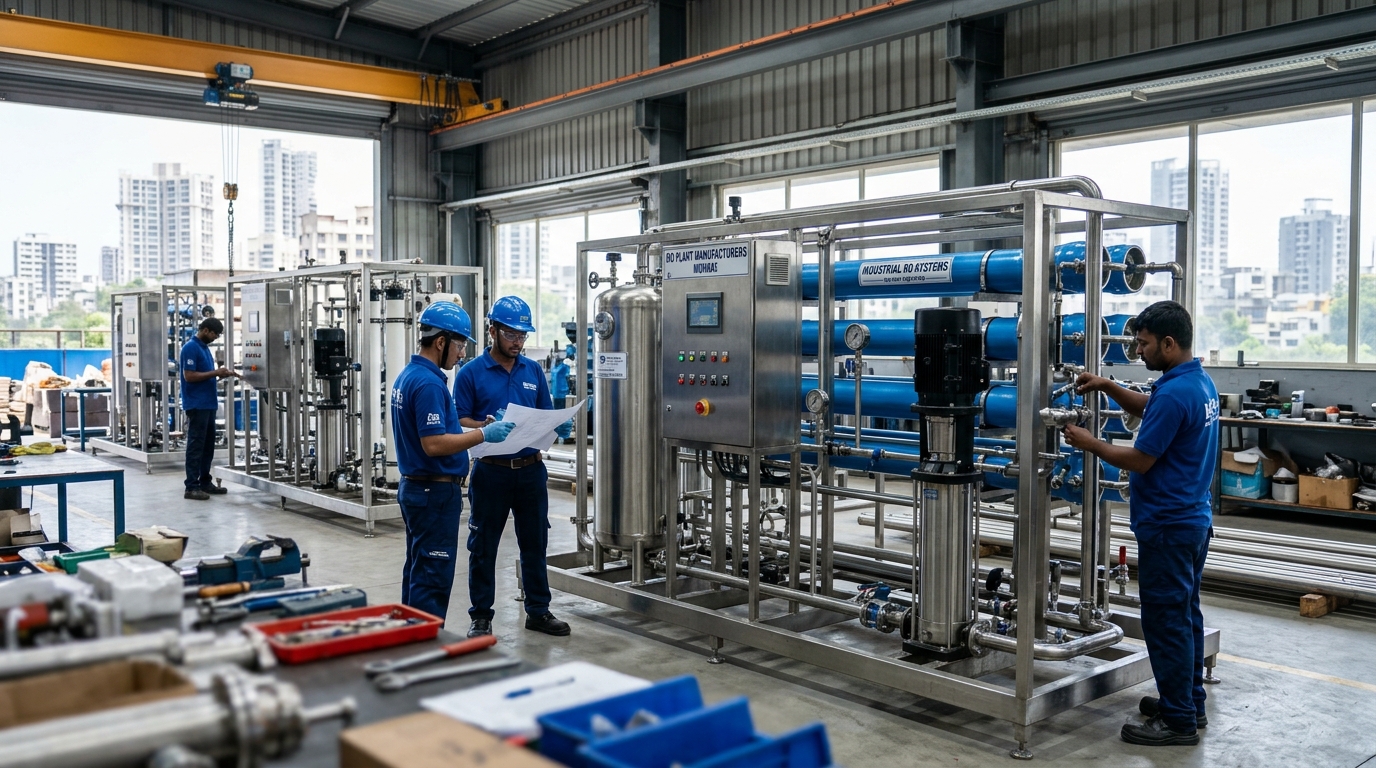
As the Mumbai heat and humidity crank up, or perhaps after a particularly heavy monsoon, many of us start thinking more seriously about the water we use daily. In a city where water quality can vary wildly, having a reliable system to ensure your family or business gets clean, safe drinking water isn't just a luxury – it's a necessity. That's where reliable RO Plant Manufacturers in Mumbai become essential. But how do you pick the right one from a sea of options?
Choosing an RO plant is a big decision, whether for your home, office, or an industrial setup. It's not just about the upfront cost, but also about the long-term performance, maintenance, and the purity of the water it delivers. To help you make an informed choice, let's explore some key considerations and common pitfalls to avoid when partnering with an RO plant provider.
Identifying Your Water Needs and Partnering with Expert Manufacturers
Before you even think about manufacturers, you need to understand your own water. Is your source municipal tap water, borewell water, or perhaps tanker supply? Each source has different impurities, and an effective RO plant needs to be designed to tackle them specifically. Don't fall for a one-size-fits-all solution; a truly good provider will always start with a comprehensive water test to identify dissolved solids (TDS), heavy metals, bacteria, and other potential contaminants. This foundational step is non-negotiable for designing an effective purification system.
For residential use, a standard RO plant typically handles common dissolved solids, heavy metals, and bacteria, providing safe drinking water for daily consumption. Commercial setups, like those in offices, restaurants, or small eateries, typically demand higher capacity and more robust filtration systems to meet increased demand and specific hygiene standards. Here, the reliability of consistent pure water is crucial for both operational efficiency and customer health.
Industrial RO plant needs are vastly different and far more complex, often requiring custom solutions tailored for specific processes such as boiler feed water, cooling towers, or pharmaceutical manufacturing. These systems must handle significant flow rates, continuous operation, and meet stringent water quality parameters that can impact product quality, equipment longevity, and regulatory compliance. Knowing your daily water consumption is also key; a domestic RO unit might produce 10-15 litres per hour, while an industrial system could produce hundreds or thousands of litres, necessitating vastly different scales of technology and engineering.
It’s tempting to go for the cheapest option, but with something as vital as water purification, quality truly matters. A reputable RO Plant Manufacturer in Mumbai brings extensive experience, certified products, and a proven track record of successful installations and satisfied clients. They won't just sell you a unit; they'll offer invaluable expertise in system design, proper sizing, installation, and ongoing support. This local expertise is vital because Mumbai's water challenges are unique, from fluctuating TDS levels to specific seasonal contaminants, requiring solutions that are tried and tested in the local environment.
Look for manufacturers who have been around for a while and have consistently positive customer reviews. Check if they use high-quality components, such as industry-leading DOW Filmtec membranes or equivalent, as these are the crucial core of any effective RO system. A good manufacturer will also provide a clear, comprehensive warranty on parts and service, offering you confidence in your significant investment. Remember, a cheap unit today could very easily mean expensive repairs, compromised water quality, and potential health risks tomorrow, highlighting the critical importance of initial quality.
If you're running a business or a factory, your RO plant requirements scale up significantly. You need a partner who deeply understands industrial-grade water treatment, not merely an installer of glorified home purifiers. An Industrial RO Plant Manufacturer in Mumbai should be fully capable of designing, installing, and maintaining systems that can handle large volumes, meet specific water quality parameters unique to your industry (e.g., ultrapure water for electronics, specific hardness levels for textiles), and ensure uninterrupted continuous operation. Key things to discuss with an industrial provider include system automation for minimal human intervention, various pre-treatment options (like sand filters, activated carbon filters, or water softeners to protect the RO membrane), necessary post-treatment stages (such as UV sterilization, demineralization, or ozonation), and critically, the availability of emergency service. Industrial breakdowns can be incredibly costly in terms of lost production and damage, so responsive technical support and readily available spare parts are absolutely non-negotiable. Installation for such complex systems can take days or even weeks, depending on complexity and capacity, making a clear project timeline and execution plan essential for smooth integration into your operations.
Deciphering Costs, Ensuring Proper Setup, and Maintaining Your System
When you get a quote for an RO plant, don't just look at the bottom line. Always ask for a detailed, itemized breakdown. A transparent quote should clearly include the cost of the RO unit itself, all necessary filters and membranes, the installation charges, and sometimes even an initial set of spare parts to get you started. For a domestic RO unit, prices can range from ₹8,000 to ₹25,000, while a commercial setup for a small office or clinic might be ₹50,000 to ₹2,00,000, depending on capacity and features. Industrial systems, due to their scale and customization, start from ₹2,00,000 and can go well over ₹10,00,000 for large-scale operations or highly specialized applications.
Be extremely wary of quotes that seem too good to be true, as they often hide essential components, compromise on quality, or omit critical service costs that will inevitably surface later. Clarify if the quote explicitly includes delivery charges, old unit disposal (if applicable), and any annual maintenance contract (AMC) options. A transparent manufacturer will break down every cost, ensuring there are no unpleasant surprises later on. Always get all quotes and agreements in writing to avoid future misunderstandings.
Proper installation is just as critical to the RO plant's performance and longevity as the quality of the unit itself. A professional installation ensures optimal efficiency, prevents leaks that can cause significant damage, and adheres to all relevant safety standards. For domestic units, installation usually takes a straightforward 1-2 hours. Commercial units, requiring more complex plumbing and power considerations, might take half a day, while industrial installations can extend to several days or even weeks, necessitating specialized teams and coordinated planning. Investing in professional installation upfront saves significant trouble and expense in the long run.
Beyond installation, regular maintenance is absolutely key to prolonging the life of your RO plant and ensuring consistent, high-quality water output. Many reputable manufacturers offer comprehensive AMCs that cover periodic filter changes, membrane cleaning, and thorough system checks. Typically, a service visit for a domestic unit takes 1-3 hours to complete, but these routine checks are vital for preventing major issues. Neglecting maintenance can lead to reduced efficiency, increased energy consumption, and ultimately, a premature failure of expensive components.
Watch out for these common warning signs that your RO plant might need immediate attention: significantly reduced water flow, strange or unusually loud noises coming from the unit, persistent leaks, a noticeable change in the taste or smell of the purified water, or a consistently high TDS reading on a water quality tester. Ignoring these indicators can lead to more significant damage to the system, compromise your water's purity, and potentially result in costly emergency repairs that could have been avoided with timely intervention.
Building a Reliable Partnership and Avoiding Common Mistakes
Certifications provide an extra layer of assurance regarding the manufacturer's commitment to quality. Look for manufacturers whose products meet recognized quality standards, such such as ISO certifications for their manufacturing processes or specific product certifications from reputable bodies. While not every individual component needs separate certification, the overall quality assurance processes and the company's adherence to stringent standards speak volumes about their reliability and integrity.
However, the real test of a good RO plant manufacturer comes with their after-sales support. Even the best-engineered systems can encounter unexpected issues over time. You want a provider who is responsive, has readily available genuine spare parts, and can dispatch qualified technicians promptly to address any problems. Before committing, ask about their typical response times for service calls, the availability and origin of genuine spare parts (as opposed to cheaper, inferior alternatives), and their general approach to customer support. A manufacturer with a strong local presence in Mumbai will generally be able to offer quicker service and more immediate support, which is invaluable for minimizing downtime.
Navigating the choices for an RO plant can be tricky, and several common traps can lead to regret. Here are some critical pitfalls to actively sidestep:
- Unrealistic Low Prices: If a deal seems too good to be true, it almost certainly is. Very low prices often signal substandard parts, poor installation practices, or a multitude of hidden costs that will inevitably pop up later, turning a supposed saving into a long-term burden.
- Lack of Transparency: A manufacturer unwilling to provide a detailed, itemized quote, explain their purification process thoroughly, or openly show you their certifications might be hiding something. Transparency is a hallmark of a trustworthy provider.
- Poor Customer Reviews or No Online Presence: In today's interconnected digital age, a complete lack of online reviews or a consistent stream of very negative feedback is a major red flag. Always take the time to check what previous customers are saying about their experiences.
- Generic, One-Size-Fits-All Solutions: If a manufacturer attempts to sell you a standard unit without first understanding your specific water source, analyzing your water quality, or discussing your exact usage requirements, they might not be the right fit. Customization and a thorough, personalized assessment are essential characteristics of a truly professional RO plant manufacturer.
- No Post-Sale Support: A company that disappears immediately after the sale is a recipe for disaster. Confirm their warranty terms, inquire about annual maintenance contract (AMC) options, and verify their service availability and responsiveness before making any commitment. A long-term partnership requires consistent support.
Choosing the right RO Plant Manufacturer in Mumbai ensures you get not only clean water but also reliable service and the assurance that your water supply is consistently safe and pure. By keeping these crucial points in mind, you'll be well-equipped to make an informed decision and enjoy pure water for years to come.