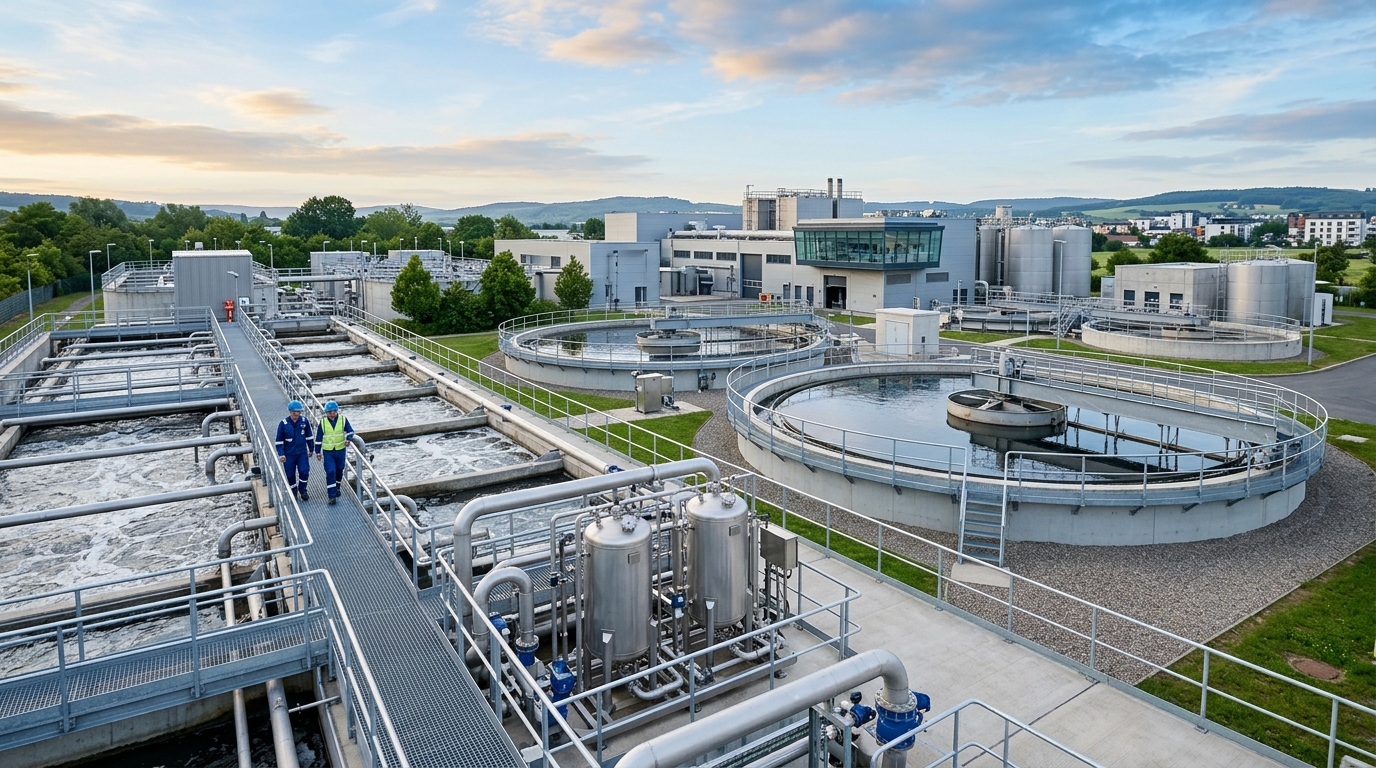
Many businesses make a crucial mistake when considering an Effluent Treatment Plant (ETP): focusing solely on the initial purchase price. This oversight often leads to unexpected expenses and long-term operational challenges, turning what should be a sustainable solution into a financial burden. Understanding the true Effluent Water treatment plant cost involves much more than just the upfront quote; it's about evaluating the complete lifecycle expenditure. This guide outlines key factors to consider, ensuring you make an informed decision for your business's environmental compliance and financial health.
Unpacking the Full Financial Picture: Beyond the Initial Purchase
Beyond the Initial Purchase: Understanding Operational Expenses
While the sticker price catches your eye, the day-to-day running costs of an ETP significantly impact its overall affordability. These include energy consumption, which can be substantial depending on the plant's design and treatment processes. The continuous operation of pumps, aerators, and automated control systems demands a consistent power supply, making energy efficiency a critical design consideration. Don't forget the labor costs associated with operating, monitoring, and tending to the plant on a daily basis, even if automated, some human oversight is often required.
Another significant operational cost is chemicals. Beyond the initial outlay, the recurring cost of essential chemicals – such as coagulants, flocculants, pH adjusters, and disinfectants – forms a substantial part of the operational budget. These consumables are crucial for effective treatment, and their consumption rates are directly tied to the volume and specific characteristics of your effluent. Factor in the ongoing purchase and storage of these materials when assessing your budget.
Installation and Commissioning: What to Budget For
The actual setup of your ETP involves more than just delivering the equipment. This often includes significant civil works, such as preparing the site, laying foundations, and constructing necessary holding tanks or structures. Beyond civil engineering, specialized piping networks, robust electrical connections to power various components, and the skilled labor required for precise assembly all contribute to the final installation bill. Site preparation, including leveling the ground or building a foundation, also contributes to the total cost, alongside potential permits for construction.
Commissioning, the process of bringing the plant online and ensuring it operates correctly, includes testing and calibration. This phase is critical for optimal performance and regulatory compliance. Reputable manufacturers will include this in their proposals, along with training your staff on basic operations, ensuring a smooth transition to operational readiness.
Regulatory Compliance Adds to the Cost Framework
Adhering to environmental regulations is non-negotiable for any business generating effluent. In regions like Gurgaon, local pollution control boards enforce strict discharge norms. This involves securing the necessary environmental permits and licenses from local pollution control boards, a process that can involve application fees and technical reviews. Furthermore, ongoing compliance demands include regular effluent testing, detailed reporting, and potential audits, all of which incur costs.
Failing to comply with these regulations can result in hefty fines and even business closure. Investing in an ETP that meets or exceeds current standards, with a reliable compliance history, is a wise long-term strategy. Choosing an ETP that not only meets but can adapt to evolving regulatory standards offers greater long-term security against future compliance hurdles. Always confirm the proposed ETP's ability to meet your specific local discharge limits.
Anticipating Your ETP's Practical and Ongoing Requirements
Anticipating Maintenance and Servicing Needs
Just like any complex machinery, an ETP requires regular maintenance to function efficiently. This includes routine checks, cleaning of tanks and filters, and replacement of wear-and-tear parts. Routine inspections, cleaning of tanks, replacement of exhausted filter media, and lubrication of moving parts are essential. Neglecting these can lead to decreased efficiency, premature component failure, and ultimately, far more expensive emergency repairs. Skipping scheduled maintenance can lead to breakdowns, costly repairs, and potential non-compliance.
Consider opting for a comprehensive annual maintenance contract (AMC) from your ETP manufacturer. AMCs typically cover preventive maintenance, emergency repairs, and technical support. While an additional cost, it often proves more economical than reactive repairs and extends the lifespan of your plant. Consider the availability and cost of specialized spare parts, as these can sometimes be proprietary and influence long-term upkeep.
Understanding Typical Price Ranges for ETPs
Effluent treatment plant costs vary dramatically based on capacity, technology, and effluent characteristics. For a small-scale ETP (e.g., 5-50 KLD for a restaurant or small factory), you might expect costs ranging from ₹5 lakhs to ₹20 lakhs. These often use simpler biological or chemical treatment methods.
Medium-scale ETPs (e.g., 50-200 KLD for a manufacturing unit or textile mill) could fall between ₹20 lakhs and ₹70 lakhs. These systems typically incorporate more advanced technologies like activated sludge processes or membrane filtration. Larger industrial plants (200 KLD and above) can easily exceed ₹1 crore, involving complex multi-stage treatment and automation. It's vital to remember that these are general estimates; the final price is heavily influenced by customization for specific effluent characteristics, desired automation levels, and the manufacturer's brand reputation. Always request a detailed breakdown based on your specific needs.
How Long Does an ETP Installation Take?
The timeline for installing an ETP depends on its size and complexity. A smaller, pre-fabricated modular unit might be installed and commissioned within 4-8 weeks. This timeframe includes site preparation, equipment delivery, assembly, and initial testing.
Larger, custom-built ETPs requiring extensive civil work can take significantly longer, often ranging from 3 to 6 months or more. The entire process, from initial design review to final handover, must be meticulously planned. Delays can occur due to permit approvals, material availability, or unforeseen site conditions. Effective project management and clear communication with the manufacturer are paramount to staying on schedule and managing expectations. Ensure your contract includes a clear project timeline with milestones.
Making an Informed Choice: Vetting Manufacturers and Quotes
What to Check Before Committing to a Manufacturer
Before signing a contract, conduct thorough due diligence. Ask for references from other businesses that have installed similar ETPs. Investigate their reputation by speaking with current and past clients who have installed similar ETPs. Inquire about their experience, particularly with your industry's specific effluent type, and their technical expertise, specifically how well they understand and have addressed challenges unique to your industry's effluent type. A proven track record is a strong indicator of reliability.
Verify their certifications, such as ISO standards for quality management and environmental performance. Check if they offer comprehensive after-sales support, including spare parts availability and technical assistance. A manufacturer committed to research and development often provides more innovative and efficient solutions. A manufacturer who stands by their product post-installation is invaluable.
Warning Signs to Watch Out For
Be wary of offers that seem too good to be true. Unusually low prices often indicate a compromise on quality, technology, or after-sales service. A reputable manufacturer will provide transparent pricing with a detailed breakdown of all costs. Ambiguous contract terms or a lack of clarity on what is and isn't included should also raise red flags.
Another red flag is a lack of willingness to conduct a site visit or detailed effluent analysis before providing a quote. Be particularly wary of manufacturers who provide generic quotes without a detailed understanding of your specific effluent composition, volume, and discharge requirements. Without understanding your specific needs, a generic quote is unlikely to be accurate or effective. A rushed decision without a proper site assessment or laboratory analysis of your wastewater is a recipe for an ineffective or non-compliant system. Avoid manufacturers who pressure you into quick decisions without adequate assessment.
What Should Your ETP Quote Include?
A comprehensive quote for your effluent treatment plant cost should clearly itemize several components. This includes the ETP unit itself, covering all primary, secondary, and tertiary treatment modules. A truly comprehensive quote will go beyond just the main ETP modules. It should itemize the cost of all critical auxiliary equipment, such as various types of pumps, air blowers, specialized filtration units, precise control panels, and the necessary instrumentation for monitoring. It should also specify the cost of associated equipment like pumps, blowers, filters, and control panels.
Beyond the hardware, ensure the quote details installation, commissioning, and training costs. Any civil work, electrical connections, or initial chemical supplies should also be listed. Crucially, it must also detail all post-sale services, including installation, commissioning, initial operator training, warranty terms, and the availability of ongoing technical support and spare parts. A transparent quote prevents hidden costs and provides a complete financial picture for your investment.