Surprising Statistics About DM Plants
Did you know that nearly 70% of industrial water requirements can be efficiently met through demineralization? A DM plant, or demineralization plant, is crucial for many industries, especially in Kanpur, where water quality plays a significant role in operational efficiency.
Trained technicians handle dm plant manufacturers across the area.
Understanding DM Plants and Their Importance
A DM plant removes dissolved minerals and salts from water, rendering it suitable for various industrial applications. Industries such as pharmaceuticals, textiles, and food processing often rely on DM water to ensure purity and compliance with stringent regulations. The importance of DM plants cannot be understated, especially in regions where groundwater is hard and contains high levels of contaminants.
DM Water Plant Overview
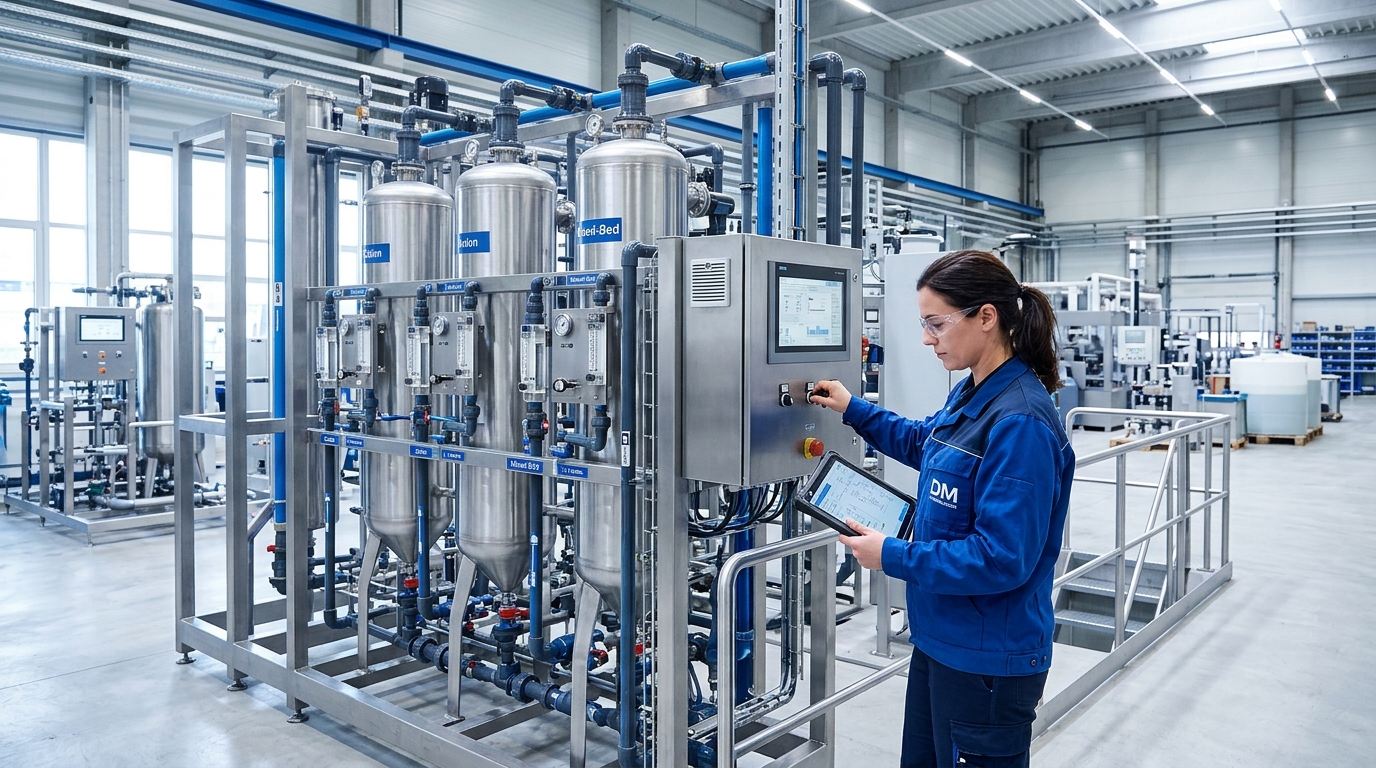
A dm water plant can vary greatly in size and function, depending on the specific requirements of the business. Typically, these plants utilize ion exchange processes to ensure that the water extracted is free from impurities. The size of the DM plant you will need largely depends on the volume of water you require daily, which can range from a few hundred liters to several thousand.
DM Water Treatment Plant Functionality
A dm water treatment plant works by passing raw water through resin beds where ions are exchanged. In general, the process includes several stages: pre-treatment, ion exchange, and post-treatment. Pre-treatment includes processes like sedimentation and filtration to remove larger particles, while the ion exchange stage is where the heart of purification happens. This process effectively removes contaminants, providing high-quality water that meets the necessary standards for various industries. The entire treatment cycle can take anywhere from a few hours to a day, based on the system's technology and the water quality going in.
Factors Influencing DM Water Plant Cost
When considering the installation of a DM water plant, understanding the dm water plant cost is essential. Costs can depend on several factors, including: - Plant Size: Larger plants require more resources and equipment, which can drive up costs significantly. - Technology Used: Advanced technologies, such as automatic regeneration systems and real-time monitoring, can increase initial costs but may lower long-term expenses due to efficiency and reduced downtime. - Installation and Maintenance: Skilled labor is often necessary for installation and ongoing maintenance, affecting overall costs. Installation can take several weeks, depending on the complexity of the system.
Average DM Water Plant Price
In Kanpur, the dm water plant price varies widely based on specifications. On average, customers can expect to pay between ₹5 lakh to ₹25 lakh depending on capacity and specifications. Smaller setups may start at around ₹5 lakh for basic systems, while larger, more complex plants could cost upwards of ₹25 lakh. It's wise to obtain multiple quotes from dm plant manufacturers to assess which option best meets your needs while staying within budget. Don’t forget to factor in maintenance and operational costs, which can add an additional 10-15% to your budget annually.
Choosing the Right DM Plant Manufacturer
Selecting the right dm plant manufacturer is crucial for ensuring a reliable supply of quality water. Here are some tips: - Experience and Reputation: Look for manufacturers with a solid track record in the industry and positive customer reviews. This experience can be invaluable in terms of both product quality and customer service. - Custom Solutions: A good manufacturer will offer customized solutions tailored to your specific requirements. They should be able to analyze your needs and provide a plant designed specifically to meet those requirements. - After-Sales Service: Reliable manufacturers often provide support and maintenance after installation, ensuring your plant runs smoothly. Check their service agreements and the availability of spare parts.
Key Considerations Before Booking a DM Plant
Before finalizing your choice of a DM plant, consider these factors: - Quality of Materials: Ensure that the materials used in the plant are robust and durable, particularly the resin used in the ion exchange process, as it directly affects water quality. - Efficiency Ratings: Research the efficiency ratings of various plants to optimize water usage. A plant with a higher efficiency ratio may save you costs in the long run. - Warranty and Support: Check the warranty offered on the equipment, as well as ongoing support services. A comprehensive warranty can save you significant money in potential repairs.
Warning Signs That You Need a New DM Plant
If you own a DM plant, be on the lookout for these warning signs: - Water Quality Issues: If you notice a decline in water quality, it may be an indication that the plant is not functioning properly. Regular testing of the output quality can highlight these issues. - Increased Operating Costs: A sudden spike in energy or maintenance costs might suggest inefficiencies. Tracking these trends can help you catch problems early. - Unusual Noises: Any strange sounds from the equipment can be a sign of mechanical failure and should not be ignored. Regular maintenance checks can help prevent larger issues down the line.
Conclusion
Ultimately, investing in a DM plant is a significant decision that can greatly benefit your company, especially in a water-sensitive region like Kanpur. By understanding the DM water treatment process, associated costs, and how to choose the right manufacturer, you can ensure that you’re making a well-informed decision. This investment can lead to increased operational efficiency and compliance with quality standards, which are vital for many industries. For further guidance, connect with experienced dm plant manufacturers in Kanpur to find the best solutions tailored to your business needs.