A common oversight many businesses make is delaying maintenance on their demineralization (DM) plants until a critical failure occurs. This reactive approach often leads to costly downtime, production losses, and more extensive damage that could have been prevented. Instead of waiting for a complete shutdown, understanding the early warning signs and proactively scheduling demineralization plant repair can save significant resources and ensure your operations run smoothly. For businesses in Nagpur, staying ahead of potential issues is key to efficient water treatment.
Here are crucial times and considerations for ensuring your DM plant remains in optimal working condition:
1. Catching Problems Early with Your DM Plant
Your demineralization plant provides high-quality water essential for many industrial processes. Watch for specific indicators that signal an impending issue. A sudden increase in the treated water's conductivity is a primary red flag, indicating that the resin beds are failing or exhausted prematurely. Other signs include reduced treated water flow, unexpected drops in system pressure, or unusual noises coming from pumps and valves. Ignoring these early warnings can lead to system damage and compromised water purity.
2. Understanding Demineralization Plant Repair Costs
The cost of DM plant repair varies significantly based on the issue's complexity and the components required. Minor repairs, such as replacing a faulty valve or sensor, might range from ₹5,000 to ₹15,000. More extensive work, like resin regeneration or replacement, or pump overhauls, could cost between ₹25,000 and ₹50,000 or even higher for major component replacements like membranes in hybrid systems. Factors influencing cost include parts availability, labor rates, and whether it’s an emergency service. Investing in timely repairs often prevents more expensive breakdowns later.
3. Preliminary Checks Before Scheduling a Repair
Before calling a professional for demineralization plant repair, perform a few basic checks. Ensure the plant has a stable power supply and all inlet/outlet valves are fully open. Verify that any pre-filters (like sediment filters) are not clogged, as this can impact overall system performance and pressure. Consult your plant’s operational manual for basic troubleshooting steps related to common alarms or error codes. These quick checks can sometimes resolve minor issues, saving you a service call.
4. How Long Does Demineralization Plant Repair Take?
The duration of a demineralization plant repair depends on the nature and severity of the problem. Simple fixes, such as recalibrating sensors or tightening connections, might take only a few hours. More involved repairs, like replacing a pump or a single resin bed, could require a full day. A complete resin replacement or extensive system overhaul might span 2-3 days, especially if specialized parts need to be sourced. A professional service provider in Nagpur will typically provide an estimated timeline after their initial diagnosis.
5. What to Expect from a Professional DM Plant Repair
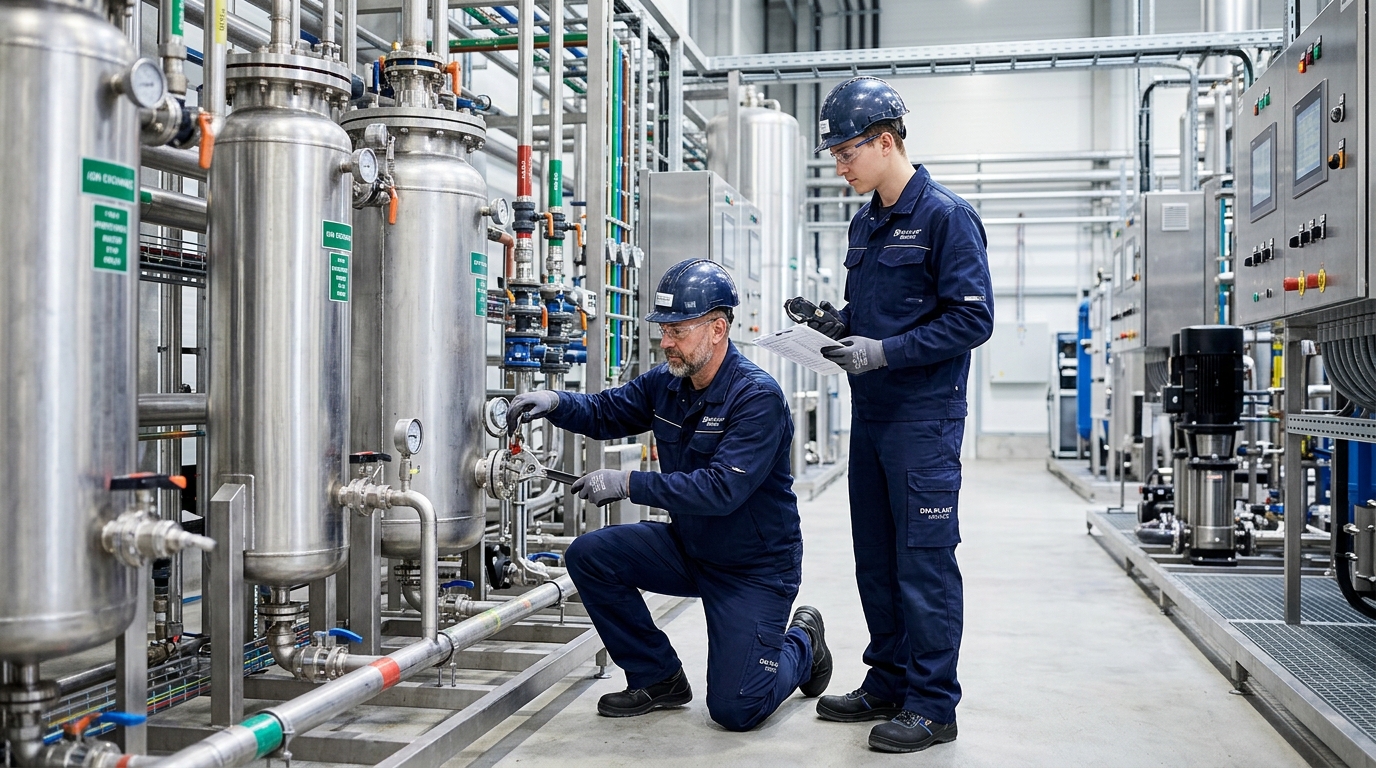
When you engage a professional for demineralization plant repair, expect a structured approach. The process usually begins with a thorough diagnostic assessment to pinpoint the exact cause of the malfunction. This is followed by the necessary component repair or replacement—be it resins, membranes, pumps, or control instrumentation. The service will typically include cleaning critical parts, calibrating sensors for accurate readings, and performing performance tests post-repair to ensure the plant meets its specified output quality. Technicians will also offer insights into preventative maintenance.
6. Why Timely DM Plant Repair is Crucial for Your Business
Proactive demineralization plant repair is not just about fixing what’s broken; it’s about safeguarding your entire operation. Timely interventions prevent minor issues from escalating into major system failures, which could halt production entirely. Consistent plant performance ensures an uninterrupted supply of high-purity water, critical for product quality and process efficiency. Regular maintenance and prompt repairs also extend the lifespan of expensive equipment, reduce energy consumption, and ensure your facility remains compliant with industry standards for water quality. This approach significantly lowers long-term operational costs and avoids costly emergency situations.