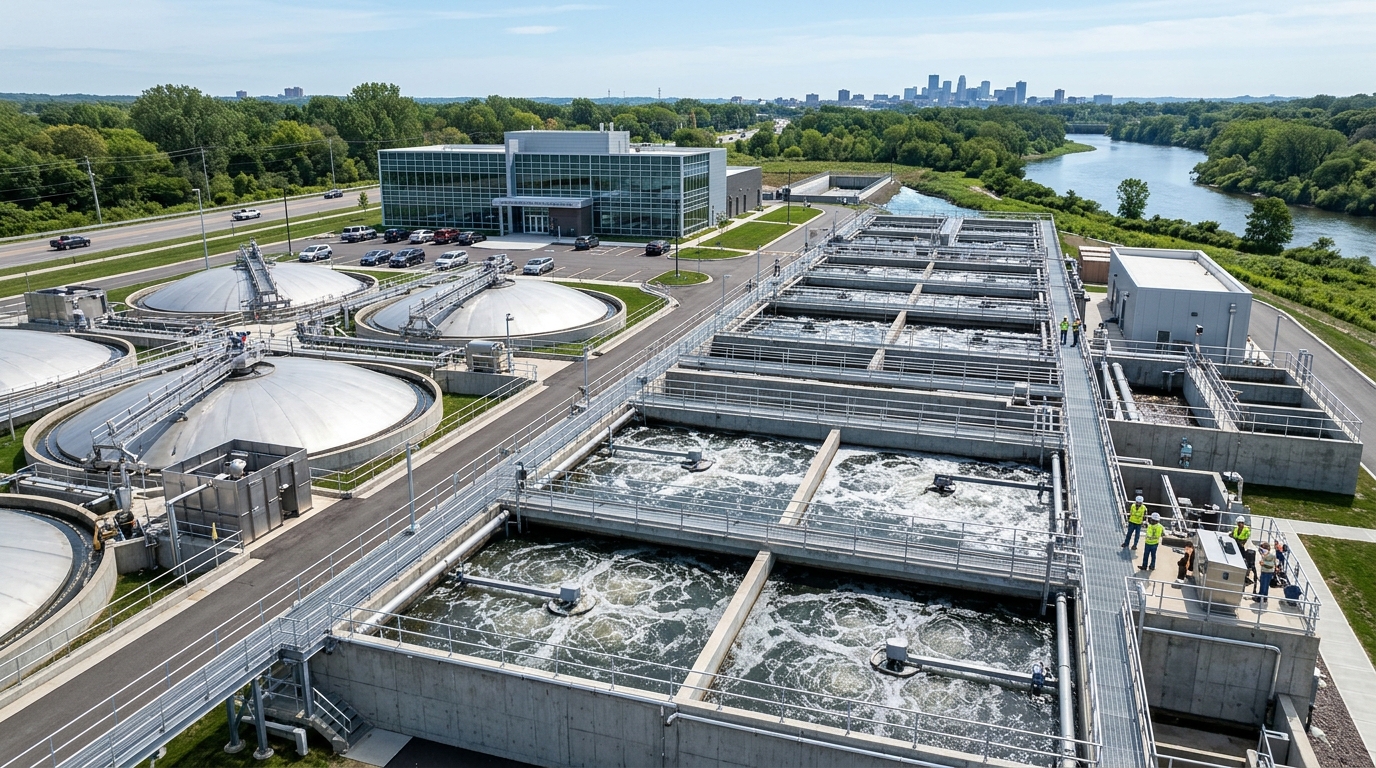
As Kota continues its urban expansion and focus on sustainable living, the efficient management of wastewater becomes increasingly critical for both commercial and residential properties. Investing in a reliable sewage treatment plant is not just a regulatory requirement but a proactive step towards environmental responsibility and long-term savings. Understanding the nuances of these systems is key to making an informed decision about this essential infrastructure.
Navigating the Selection and Financial Aspects
When selecting from the many sewage treatment plant manufacturers available, especially in a growing urban center like Kota, prioritize experience and reputation. Look for companies with a proven track record, positive client testimonials, and proper certifications (e.g., ISO standards). A good sewage treatment plant company will offer a full suite of services, from initial consultation and design to installation and post-installation support. Their local presence often translates to quicker response times and a better understanding of regional regulations and specific environmental challenges. They should be able to provide clear references and examples of their past projects, demonstrating their capability and reliability.
Identifying the appropriate stp plant for your specific needs is vital. The core of any effective sewage water treatment plant is its technology. Options like MBBR (Moving Bed Biofilm Reactor), SBR (Sequential Batch Reactor), or MBR (Membrane Bioreactor) each suit different wastewater characteristics and scales. For a typical small commercial building or apartment complex in Kota, an MBBR system processing 10-50 KLD (kilo litres per day) might be suitable, with precise sizing determined after a professional site assessment that considers occupancy and daily water usage. Accurate sizing is crucial; an undersized plant will struggle to treat wastewater effectively, while an oversized one incurs unnecessary capital and operational costs, potentially even reducing efficiency due to insufficient biological load.
The total sewage treatment plant cost involves more than just the initial purchase price. Factor in design, equipment, installation, and ongoing operational expenses. A compact 10 KLD STP for a small apartment complex might have an initial outlay of ₹5-8 Lakhs, while a larger 50 KLD unit could range from ₹12-18 Lakhs. Installation can add 15-25% to the equipment cost and typically takes 1 to 3 weeks, depending on civil works required. Don't overlook monthly electricity consumption, chemical usage, and annual maintenance contracts (AMC), which are vital for long-term efficiency. While the upfront investment is significant, consider the long-term return on investment from reduced water bills through reuse and avoided fines for non-compliance.
Ensuring Flawless Design and Professional Installation
The longevity and efficiency of your stp treatment plant hinges significantly on its design and installation quality. A reliable provider conducts a thorough site survey, designs a system optimized for your specific wastewater characteristics, and handles all civil, mechanical, and electrical integration. This custom approach ensures the system is not merely an off-the-shelf solution but is perfectly suited to your property's unique demands, maximizing performance and compliance. What's included usually covers excavation, foundation work, tank placement, piping, electrical connections, commissioning, and staff training. Professional commissioning ensures the system operates correctly from day one, and well-trained staff are essential for routine operation. Warning signs of a poor installation include visible leaks, inadequate ventilation, or a lack of clear operational instructions.
Sustaining Performance and Embracing Environmental Stewardship
To ensure your sewage treatment plant operates at peak efficiency and avoids costly breakdowns, regular maintenance is indispensable. This includes routine checks of pH levels, dissolved oxygen (DO), and sludge volume. Preventive maintenance, such as cleaning filters, checking pumps, and calibrating sensors, helps prolong the system's life and guarantees consistent water quality, which is critical for meeting discharge standards. Many modern systems also incorporate automation for easier monitoring and control, but human oversight and scheduled servicing remain vital. Most reputable providers offer Annual Maintenance Contracts (AMCs) that cover scheduled service visits and emergency support, safeguarding your investment and ensuring uninterrupted, compliant operation.
Installing a modern sewage water treatment plant not only ensures compliance with local environmental regulations and Central Pollution Control Board (CPCB) guidelines but also contributes significantly to environmental sustainability. By treating wastewater effectively, you reduce your property's environmental footprint, protect local water bodies, and can even facilitate water recycling for non-potable uses like gardening or flushing. This tangible benefit not only cuts down on fresh water consumption but also presents a positive public image, underscoring a commitment to ecological responsibility. This proactive approach can significantly enhance your property's value and marketability, aligning with the growing demand for sustainable infrastructure in urban centers like Kota.