The Common Misconception About Water Purification
Many people assume that all water purification methods are the same, leading to confusion in selecting the best option for their needs. This misconception often results in choosing a cheaper, less effective solution that may not deliver the water quality required for a healthy lifestyle. For optimal filtration and purity, understanding the distinctions between options like an RO plant and a typical water purifier is essential. The choice can significantly impact your health and the longevity of the appliance. Interested in a reliable solution? Check out an RO Plant Manufacturer in Vijayawada for professional assistance in sourcing the right equipment.
Understanding RO Plants
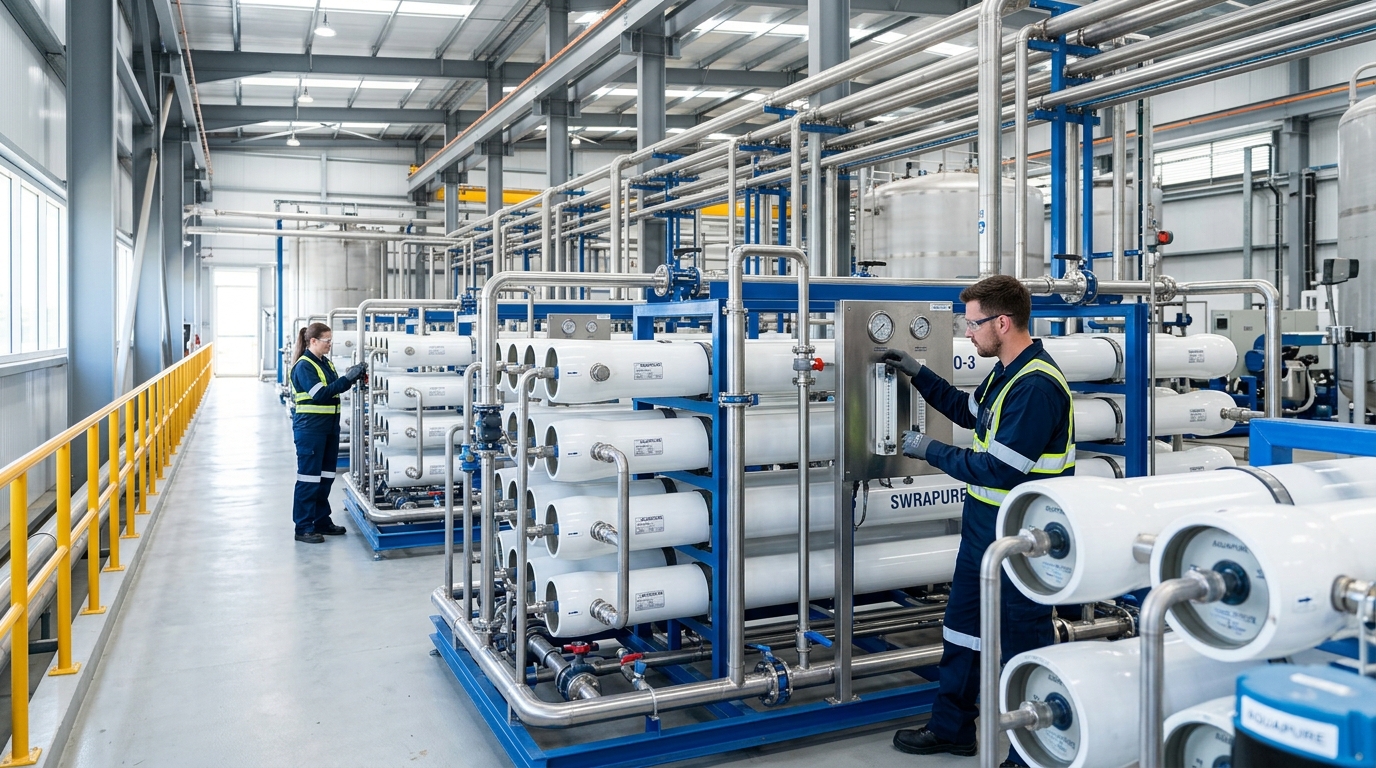
Reverse Osmosis (RO) plants are advanced water purification systems designed to remove impurities, contaminants, and unwanted minerals by pushing water through a semi-permeable membrane. These systems suit various applications, from residential use to large-scale industrial processes. They are particularly beneficial in areas like Vijayawada, where water quality can often be compromised. Typically, an RO plant can process large volumes of water daily; for household use, a standard RO system might turn out between 50 to 100 liters of purified water per day.
What is a Water Purifier?
A water purifier is a broad term that encompasses various devices designed to improve the quality of water, including but not limited to carbon filters, UV purifiers, and RO systems. While each type has its unique benefits, they may not all provide the same level of purification as an RO plant. For example, standard water purifiers may struggle with mineral-heavy or contaminated water sources, which are common in certain parts of Vijayawada. On average, water purifiers can process about 10 to 20 liters of water per day, making them suitable for smaller households or light usage.
Key Differences Between RO Plants and Water Purifiers
Filtration Process
RO Plants: - Utilize a multi-stage filtration process, including pre-filtration, reverse osmosis, and post-filtration. - Effectively remove dissolved solids, pathogens, and heavy metals, ensuring water safety and quality.
Water Purifiers: - Typically use physical filtration or UV light to eliminate bacteria and larger particles. - May not efficiently filter out dissolved solids, chemicals, or toxins, making them less effective in treating contaminated water sources.
Cost Considerations
RO Plants: - Installation can range from ₹15,000 to ₹1,00,000, depending on the size and complexity of the system. This includes the cost of the RO unit itself, plumbing, and any necessary modifications to existing water supply lines. - Maintenance costs usually involve periodic checks and the replacement of filters and membranes, adding around ₹2,000 to ₹5,000 annually. Expect to pay additional fees for professional servicing, which can range from ₹1,500 to ₹3,000 per visit, typically scheduled every three to six months.
Water Purifiers: - Generally more affordable, costing between ₹3,000 to ₹20,000, but may require frequent replacements for filters, which can add another ₹1,500 to ₹5,000 annually depending on usage. - Maintenance costs are lower but can accumulate if you need to replace filters more often due to heavy usage or poor water quality.
Lifespan and Durability
RO Plants: - Built for long-term use, often lasting over a decade with proper maintenance. Components like the RO membrane may require replacement every 2 to 5 years, depending on water quality and usage. - Overall durability is higher due to robust construction designed for more extensive filtration needs.
Water Purifiers: - Generally last 3 to 5 years, depending on usage and maintenance. - Need more frequent part replacements if used intensively, potentially leading to increased overall costs over time.
Considerations Before You Buy
Water Quality
Assess the quality of your local water supply in Vijayawada. If your water contains high levels of TDS (Total Dissolved Solids), which are common in many areas, an RO plant is better suited for effectively handling such conditions, ensuring safe drinking water. You can get a water testing kit for around ₹500 to test the TDS levels and other impurities.
Space and Installation
Determine the available space for installation. RO plants can require more room than standard water purifiers, especially larger systems meant for industrial or commercial use. Ensure you have a dedicated area for installation that complies with plumbing and drainage requirements.
Maintenance Commitment
Evaluate how much time and effort you’re willing to invest in regular maintenance. An RO system may need routine checks but can provide better quality purification. Familiarize yourself with the filtration cycle and replacement schedule to ensure you maintain its efficiency.
Signs You Need a New System
- Inconsistent Water Quality: If your water has an unusual taste or odor, it may indicate that your current system is failing to filter effectively.
- Frequent Repairs: Multiple issues within a short timeframe may suggest it’s time to invest in a more reliable system.
- Increased Contaminants: High TDS levels or contaminants not removed from your current system can signal a need for an upgrade.
Service and Maintenance for RO Plants
Regular Checks
It's crucial to perform regular assessments of your RO plant to ensure it runs efficiently. You can typically schedule quarterly or biannual visits from a professional service provider in Vijayawada, which can cost around ₹1,500 to ₹3,000 per visit. Regular checks help in identifying potential issues before they become significant problems.
Filter and Membrane Replacement
- Pre-filters generally need replacement every 6 to 12 months. They remove sediments and chlorine, protecting the RO membrane.
- RO membranes can last 2 to 5 years, depending on usage and water quality. These are vital as they remove dissolved solids and impurities.
- Post-filters should be changed annually for optimal performance, ensuring the water tastes fresh and clean.
Conclusion: The Best Choice for Your Needs
When deciding between an RO plant and a water purifier, carefully consider your specific requirements, including water quality issues, budget, and intended use. For those in Vijayawada facing challenges with water quality, an RO plant may provide the most effective solution for pure, safe drinking water. Know what you're investing in, and make a choice that supports your health and well-being. Adapting your selections based on practical needs will help you enjoy clean water and reduce concerns regarding water safety in your daily routine.