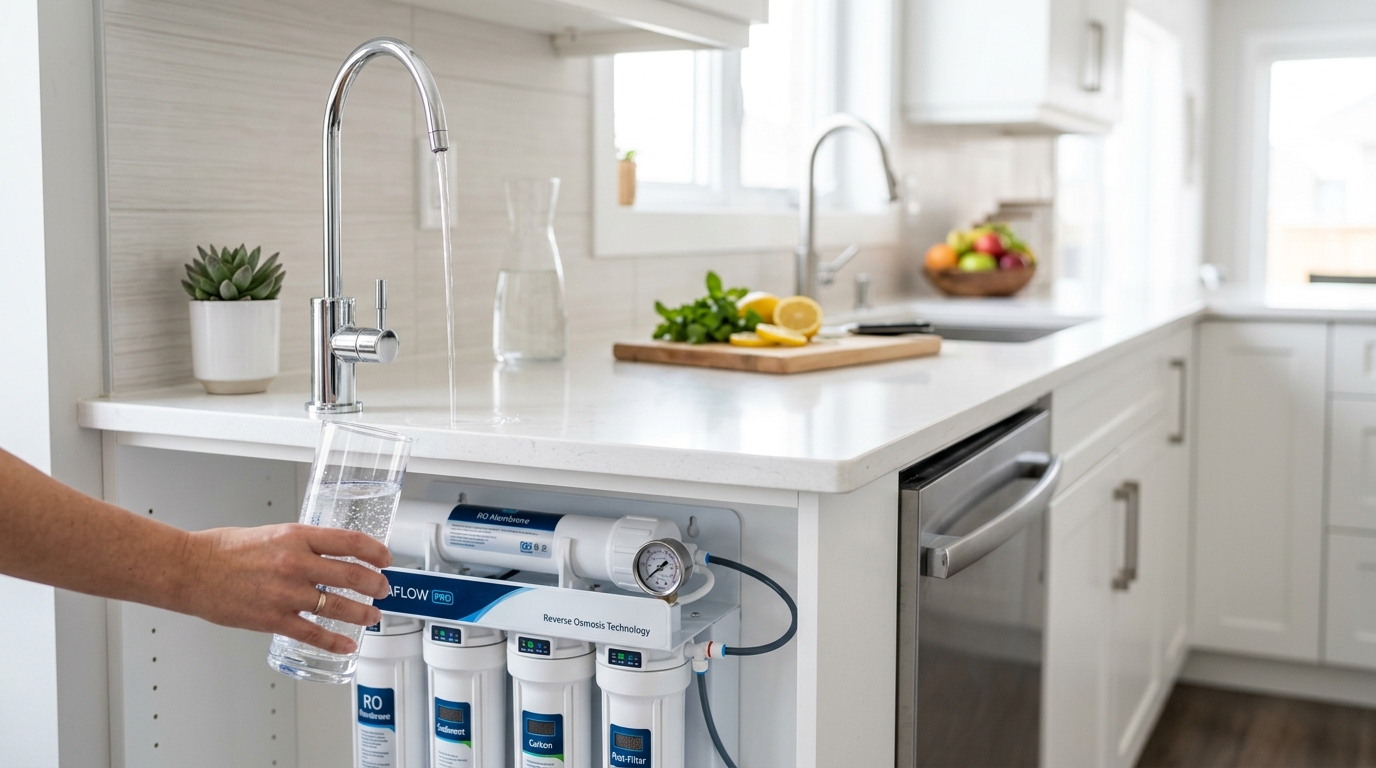
RO Water Purifier vs UV Water Purifier: Which One Is Better?
An RO water purifier generally offers better purification than a UV water purifier, especially for areas with high levels of total dissolved solids (TDS). If you are considering installing a water purifier in Vijayawada, understanding the differences between these two systems can guide your choice. You can find a variety of options for water purifier in the market, tailored to fit your needs.
What is an RO Water Purifier?
An RO (Reverse Osmosis) water purifier uses a semi-permeable membrane to filter out impurities, including heavy metals, salts, and microorganisms. It's particularly effective for water containing high TDS levels. The process involves passing water through the membrane under pressure, which removes harmful contaminants. This makes it ideal for regions where groundwater is prevalent and often contaminated.
What is a UV Water Purifier?
A UV (Ultraviolet) water purifier uses ultraviolet light to kill bacteria and viruses present in water. It does not remove dissolved solids but effectively disinfects the water by rendering microorganisms inactive. This technology is best suited for areas where microbial contamination is a concern but the TDS levels are within acceptable limits.
Key Differences Between RO and UV Purifiers
- Purification Method:
- RO purifiers remove physical contaminants and dissolved solids.
-
UV purifiers only disinfect water by eliminating microorganisms.
-
Best For:
- RO systems are excellent for high TDS water.
-
UV systems are suitable if the TDS is low but there are bacterial concerns.
-
Price Range:
- An RO water purifier typically ranges from INR 10,000 to INR 25,000.
-
UV purifiers usually cost between INR 5,000 and INR 15,000, making them more budget-friendly.
-
Maintenance:
- RO purifiers require more maintenance, including frequent filter changes and periodic servicing.
-
UV systems need less frequent maintenance, but the UV lamp should be replaced once a year.
-
Water Wastage:
- RO systems may waste 2-3 liters of water for every liter purified.
- UV systems do not waste water in the purification process.
Which One Should You Choose?
Choosing between an RO and a UV water purifier largely depends on the quality of your water supply in Vijayawada. If your water has high TDS or if there are heavy metals present, an RO purifier is the better choice. On the other hand, if your water is low in TDS but has a potential microbial threat, a UV purifier would suit your needs.
Installation and Service Considerations
- Installation Time:
- An RO system installation typically takes about 2-3 hours.
-
UV systems can be installed in less than an hour.
-
Check Before Booking:
- Ensure you know your water’s TDS level. You can do this using a TDS meter.
-
Inspect for visible impurities in your water, which may require an RO system.
-
Warning Signs:
- If your water tastes salty or has a strange odor, it may point to high TDS.
- Cloudy water may indicate microbial contamination.
Cost of Maintenance
Regular maintenance is crucial for both types of systems. RO systems may need annual servicing, which can cost around INR 1,000 to INR 2,500, depending on the provider. For UV purifiers, annual lamp replacement may cost between INR 500 to INR 1,000. Hence, factor in ongoing costs when making your decision.
Conclusion
When deciding between an RO water purifier and a UV water purifier, consider your local water quality, your budget, and maintenance preferences. In Vijayawada, it's essential to choose a system that effectively meets your purification needs to ensure safe and clean drinking water. Always consult local experts who can offer tailored recommendations based on water quality assessments.