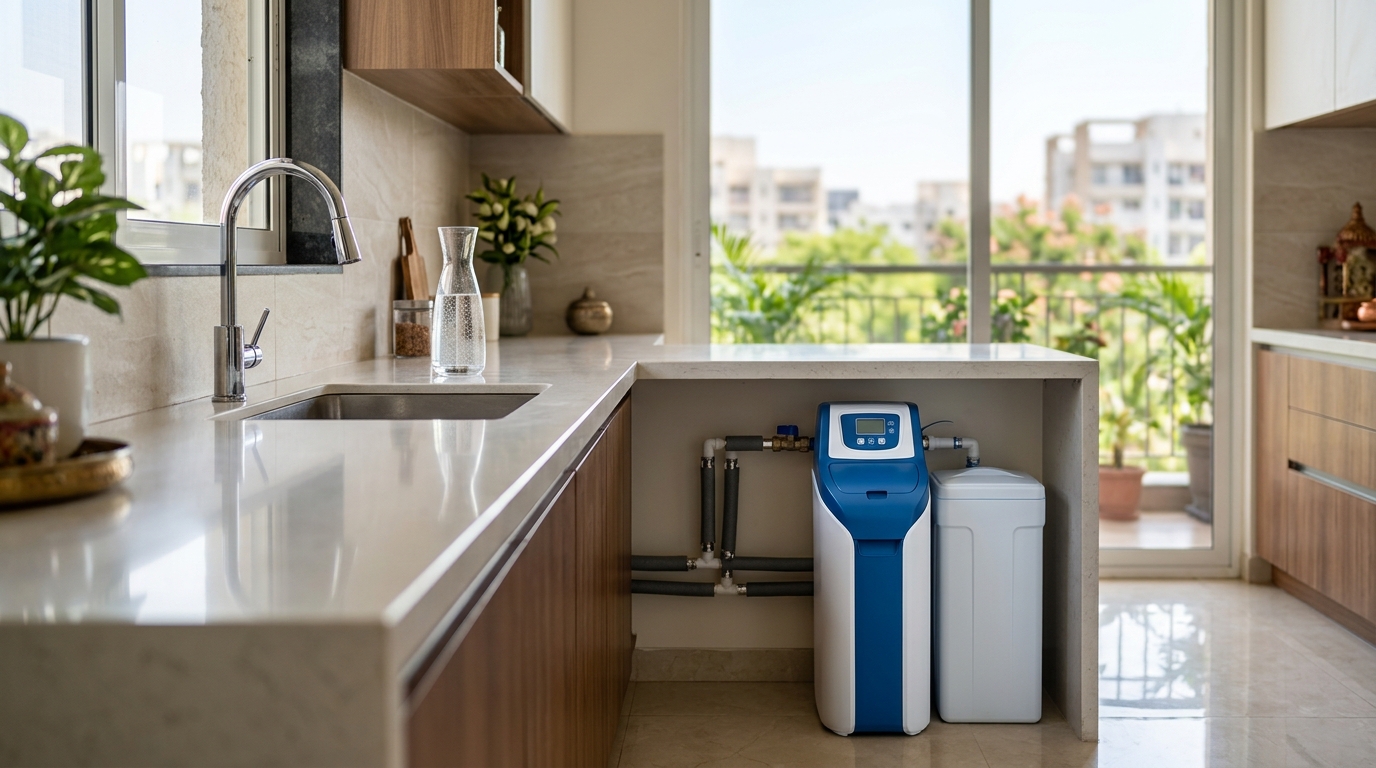
Ignoring subtle signs of hard water until it causes significant damage is a common mistake. Many Pune residents put up with mineral buildup in pipes, dull laundry, or dry skin without realizing these are red flags. Instead of waiting for a clogged showerhead or a failing appliance, understand that a timely intervention can save you money and hassle. Investing in a quality domestic water softener can protect your home's plumbing and appliances, and improve your daily quality of life.
Hard Water Symptoms You Shouldn't Overlook in Your Home
Recognizing the early warning signs of hard water is the first step. If your clothes come out of the wash feeling stiff or looking dull, despite using enough detergent, hard water minerals are likely interfering. These minerals prevent soap from lathering properly and can leave residues that cling to fabrics.
You might also notice a white, crusty buildup around faucets, showerheads, and in your toilet bowl. This is limescale, a direct result of mineral deposits. Beyond being unsightly, limescale can restrict water flow and reduce the efficiency of your plumbing fixtures over time.
Another tell-tale sign is dry, itchy skin and brittle hair after showering. Hard water prevents soap from rinsing completely, leaving a film on your body. This residue can irritate skin and make hair feel rough, sometimes even contributing to scalp issues.
Your kitchen appliances are also at risk. Kettles, coffee makers, dishwashers, and washing machines can suffer from internal limescale buildup. This reduces their efficiency, increases energy consumption, and significantly shortens their lifespan, leading to costly replacements sooner than expected.
Confirming Your Hard Water Levels
Once you suspect hard water, confirming its severity is crucial. Simple DIY test kits are available and can give you a quick indication of your water's hardness by measuring mineral content. These kits are often affordable and easy to use, providing results within minutes.
For a more precise understanding, consider a professional water quality test. Experts can accurately measure the hardness and identify other potential contaminants in your water. This comprehensive analysis helps in recommending the most suitable water softener system tailored to your specific needs in Pune.
Knowing your water's hardness level allows you to make an informed decision. It prevents you from installing an inadequate system or overspending on features you don't require. This clarity ensures your investment yields the best possible results.
How to Choose the Right Water Softener for Your Residence
Selecting a water softener involves considering several factors specific to your household. The most common type is an ion-exchange softener, which uses salt to remove hardness minerals. Salt-free systems are also available, which condition water rather than softening it, preventing scale buildup but not removing minerals entirely.
Assess your household's water usage. A larger family or a home with multiple bathrooms will require a system with a higher capacity and flow rate. Softeners are rated by the amount of hardness minerals they can remove before regeneration, typically measured in grains. A professional can help calculate the ideal size for your home.
Budget is another key consideration. Basic whole-house water softeners in Pune might start from ₹20,000 to ₹40,000 for standard models, with more advanced or high-capacity systems ranging from ₹50,000 to over ₹1,00,000. Factor in installation costs, which typically range from ₹3,000 to ₹10,000, depending on complexity. Long-term costs include salt replenishment, usually a few hundred rupees per month.
Finally, consider the space available for installation. Most softeners require a dedicated space, often near the main water inlet, and access to a drain for the regeneration cycle. Ensure there's sufficient room for the unit and for ongoing maintenance.
Partnering with a Reliable Service Provider
Choosing an experienced local provider for your water softener for home Pune is paramount. Look for companies with a strong reputation, evidenced by positive customer reviews and a history of successful installations. Local expertise means they understand the specific water challenges in Pune and can recommend appropriate solutions.
A reputable service will typically include a pre-installation site survey to assess your plumbing and space. The installation itself should cover connecting the softener to your main water line, setting up the drain for the backwash cycle, and configuring the control head for optimal performance. They should also perform initial system testing to ensure everything functions correctly.
Before booking, verify what warranty is offered on both the equipment and the installation service. Good after-sales support, including maintenance services and prompt repair, is vital for the longevity and efficiency of your water softener. A clear service agreement detailing what's included and excluded gives you confidence.
What to Expect on Installation Day
On the day of installation, expect the process to take typically 3 to 6 hours, depending on the complexity of your home's plumbing and the system being installed. Ensure the area around the main water line is clear and accessible. The technician will usually turn off your home's main water supply during a portion of the installation.
The process involves cutting into the main water line, installing bypass valves (essential for future maintenance), positioning the softener unit, and connecting the brine tank (for salt). They will then connect the drain line and an electrical power source for the control head. After all connections are made, the technician will slowly turn the water back on, check for leaks, and program the unit according to your water hardness and usage.
Before they leave, the technician should walk you through the system's basic operation. This includes how to add salt, what the control panel readings mean, and what to do if you notice any issues. Don't hesitate to ask questions about maintenance or troubleshooting.
Essential Maintenance Tips for Your Water Softener
Once installed, a water softener requires minimal but consistent maintenance to perform effectively. The primary task is to regularly check and replenish the salt in the brine tank. Depending on your water usage and hardness, this might be monthly or every few months. Always use high-quality water softener salt to prevent issues.
Occasionally, it's a good practice to clean the brine tank. Over time, sediment or salt bridges can form at the bottom, hindering the system's ability to draw brine for regeneration. A quick rinse and removal of any solidified salt can prevent these problems.
Pay attention to any changes in your water quality or the system's operation. If you notice a return of hard water symptoms or unusual noises from the softener, it's a warning sign. While some issues can be resolved by checking salt levels or power, for persistent problems, it's best to call for professional service.
Most modern water softeners have indicators or alarms for low salt levels or system malfunctions. Familiarize yourself with these features to catch issues early. Regular professional check-ups, perhaps annually, can ensure your system remains in top condition and prolong its lifespan.
Enjoy the Broader Benefits of Soft Water at Home
The advantages of soft water extend far beyond just cleaner dishes and shinier hair. By eliminating mineral buildup, your water-using appliances, such as water heaters, dishwashers, and washing machines, will operate more efficiently. This translates to lower energy bills and significantly longer appliance lifespans, saving you money on replacements.
Soft water also means you'll use less soap, shampoo, and detergent. These products lather better and rinse more effectively in soft water, so you won't need as much to achieve the desired cleaning power. This often leads to noticeable savings on household cleaning supplies and personal care products.
Beyond the tangible savings, the comfort of soft water is a significant improvement. Your skin will feel smoother and more hydrated, and your hair will be softer and more manageable. The absence of hard water stains means less scrubbing in bathrooms and kitchens, making household chores less tedious and more efficient.