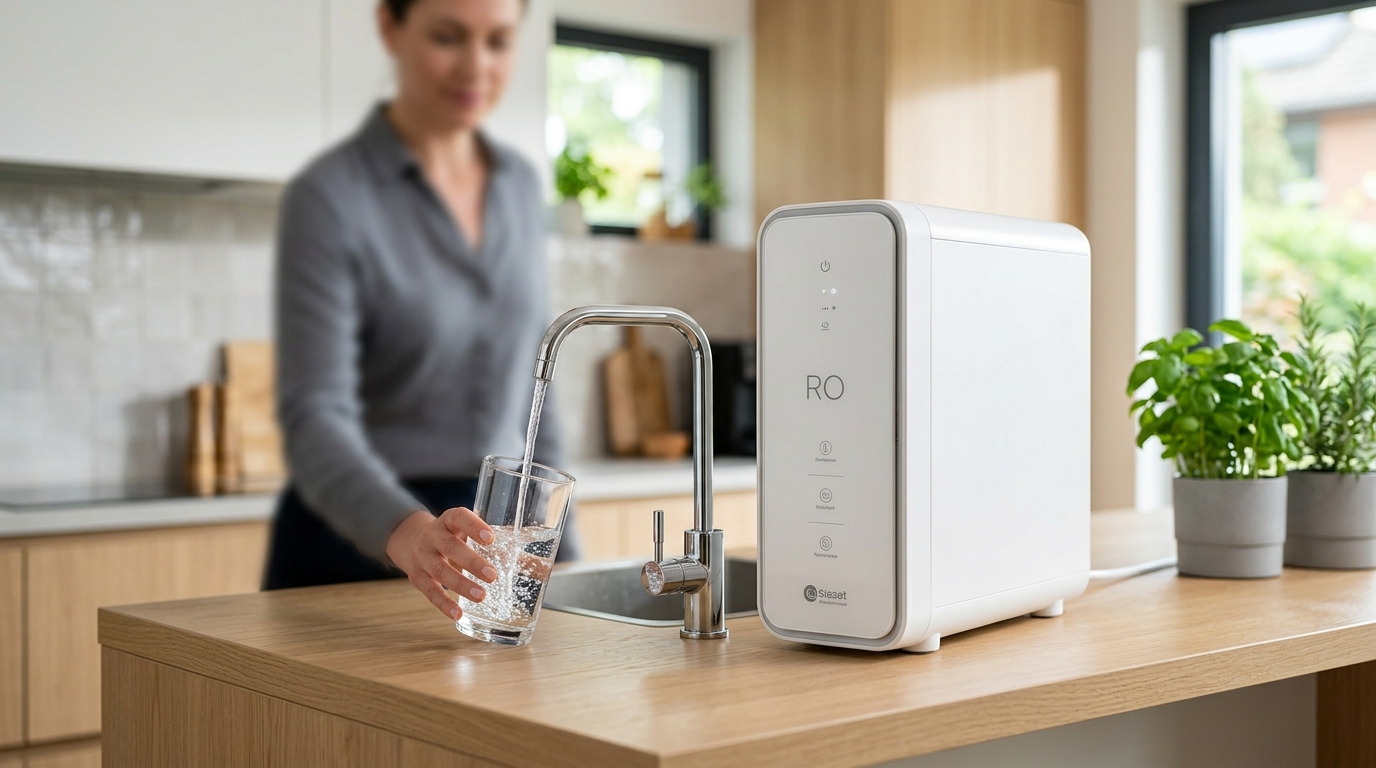
An RO (Reverse Osmosis) water purifier is a multi-stage filtration system that effectively removes a wide array of contaminants from drinking water by forcing it through a semi-permeable membrane. This intricate process tackles dissolved solids, heavy metals, and even microscopic organisms, providing significantly cleaner and safer water for your household. Understanding your specific needs and the local water quality in Guntur is crucial when considering the right system, and you can explore various options and their water purifier price online to begin. It's a proactive step towards ensuring the well-being of your family.
Unveiling the Technology Behind RO Water Purification
How Reverse Osmosis Works to Purify Water
Reverse Osmosis operates on a principle opposite to natural osmosis. Instead of water moving from a less concentrated solution to a more concentrated one, external pressure is applied to force water from a highly concentrated side through a semi-permeable membrane to a less concentrated side. This membrane is incredibly fine, allowing only water molecules to pass through while trapping larger impurities.
Before reaching the RO membrane, water typically goes through pre-filters. These filters remove larger sediment, chlorine, and organic compounds, protecting the delicate RO membrane from damage and clogging. After passing through the RO membrane, the purified water often undergoes post-filtration to enhance taste and ensure complete purification, sometimes involving UV sterilization.
The Comprehensive Health Benefits of RO Water
Investing in an RO water purifier brings several significant advantages. The most immediate benefit is the marked improvement in the taste and odor of your drinking water. By removing chlorine, chemicals, and other impurities, RO water often tastes fresher and cleaner.
Beyond taste, an RO system offers superior health protection. It effectively eliminates harmful contaminants such as lead, arsenic, fluoride, nitrates, pesticides, and various bacteria and viruses. This comprehensive purification ensures that the water you and your family consume is safe for long-term health.
What an RO System Filters Out (and What it Retains)
An RO water purifier excels at removing a broad spectrum of dissolved solids and microscopic threats. This includes Total Dissolved Solids (TDS), heavy metals like lead and mercury, chemical contaminants, and most biological pathogens. It's particularly effective against waterborne bacteria and viruses that can cause illness.
However, it's important to understand that standard RO systems also remove some beneficial minerals naturally present in water. To address this, many modern RO purifiers incorporate a TDS controller or a mineralizer, which adds essential minerals back into the purified water, ensuring it's not only clean but also healthy.
Making the Right Choice: Selecting Your RO Purifier in Guntur
Factors for Choosing the Ideal RO Purifier
Selecting the ideal RO purifier depends on several factors specific to your home and water source in Guntur. First, assess your water source, whether it's municipal supply, borewell, or tanker water, as each can have different contamination profiles and TDS levels. Higher TDS levels necessitate a more robust RO system.
Consider your daily water consumption and household size to determine the required purification capacity and storage tank size. Modern features like UV sterilization, UF (Ultrafiltration), and advanced mineralizers can also influence your choice, offering added layers of purification and health benefits. A local water quality test can provide valuable insights for making an informed decision.
Understanding RO Water Purifier Price Ranges
The price of an RO water purifier can vary significantly based on brand, features, capacity, and purification stages. Entry-level models, suitable for areas with moderately low TDS, typically range from ₹8,000 to ₹12,000. These often provide basic RO filtration with essential pre-filters.
Mid-range purifiers, offering enhanced features like UV, UF, or TDS controllers, usually fall between ₹13,000 and ₹20,000. Premium or advanced smart RO systems, which include multiple purification technologies, larger capacities, and intelligent displays, can cost ₹20,000 or more. Installation costs are sometimes separate or included in the purchase price, so clarify this upfront.
Maximizing Performance: Installation, Maintenance, and Troubleshooting
What to Expect During Installation and Ongoing Maintenance
Professional installation of an RO water purifier typically takes between 1 to 2 hours. A skilled technician will connect the unit to your water supply, ensure proper drainage, and check for leaks. They will also provide a brief demonstration of its operation and initial flush procedures.
Ongoing maintenance is crucial for optimal performance. Pre-filters usually need replacement every 6-12 months, depending on water quality and usage, while the RO membrane has a lifespan of 2-3 years. Post-filters and UV lamps also require periodic replacement. Regular service ensures clean water and extends the life of your purifier.
Recognizing Signs Your RO Purifier Needs Service
Several indicators can signal that your RO water purifier requires professional attention. A noticeable drop in water dispensing speed, or a complete lack of water output, suggests clogged filters or a malfunctioning pump. Unusual tastes or smells in the purified water point to filter exhaustion or membrane damage.
Other warning signs include persistent leaks from the unit, strange noises during operation, or error indicators on smart purifiers. Addressing these issues promptly prevents further damage to the system and ensures continued access to safe drinking water. Don't delay in calling for service if you observe any of these problems.
Pre-Service Checks and Long-Term Care Strategies
Before booking installation or maintenance for your RO purifier, verify the service provider's credentials. Ensure they have certified technicians with experience specific to RO systems. Check for warranties offered on both the product and the installation or service work, which provides assurance against future issues.
Transparency in pricing for parts, filters, and labor is also essential. Ask for a detailed quote beforehand to avoid unexpected costs. Reading customer reviews, especially those from other residents in Guntur, can offer insights into the provider's reliability and after-sales support quality. Opt for providers known for genuine spare parts.
Once installed, effective long-term care will maximize your RO purifier's longevity and performance. Adhering to the recommended filter replacement schedule is paramount; using genuine spare parts is equally important to maintain purification efficiency and avoid voiding warranties. Many providers offer Annual Maintenance Contracts (AMCs) that cover scheduled services and filter replacements, offering cost savings and convenience.
Simple user actions, like wiping down the exterior of the unit and ensuring proper ventilation around it, can also contribute to its upkeep. Regularly checking for any minor leaks or unusual sounds allows for early detection of problems, ensuring your RO system continues to deliver pure, healthy water consistently.