What You’ll Learn Here
This FAQ covers everything you need to know about STP treatment plants in Vijayawada, including cost, installation times, maintenance, and key signs you may need assistance.
What is an STP Treatment Plant?
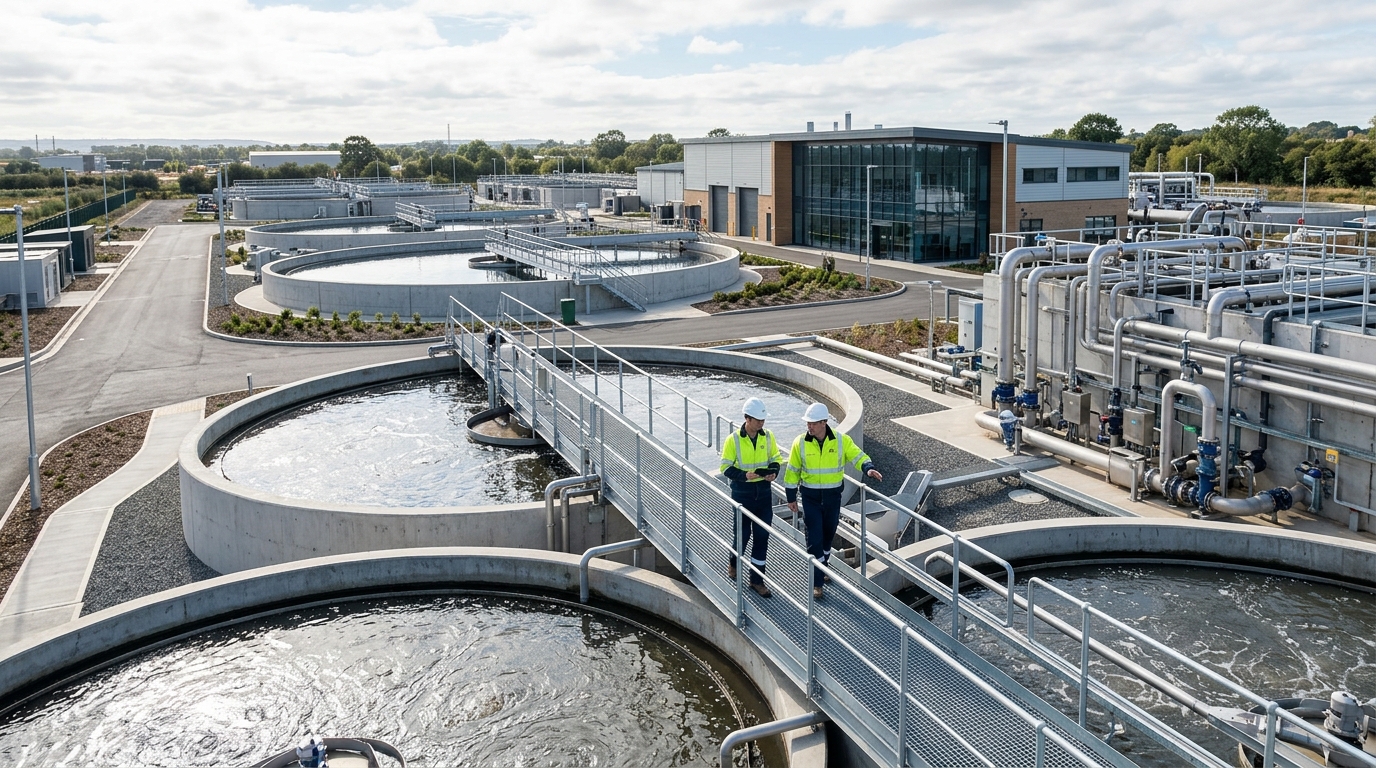
A Sewage Treatment Plant (STP) is designed to treat wastewater and sewage before it is released back into the environment. By cleaning and purifying this water, STPs help protect local ecosystems and public health. In Vijayawada, these plants are crucial for urban sanitation and waste management.
How Much Does an STP Treatment Plant Cost in Vijayawada?
When considering a sewage treatment plant, costs can vary significantly based on several factors, including capacity, technology used, and the complexity of the installation. Generally, in Vijayawada, you might expect costs to range from ₹5 lakhs to ₹50 lakhs or more. The price often includes parts, labor, and initial setup but can also depend on additional features you may want, such as automation or advanced monitoring systems. For a detailed breakdown, visit sewage treatment plant cost.
How Long Does It Take to Install an STP Treatment Plant?
The installation of an STP treatment plant can typically take anywhere from a few weeks to several months. Smaller, more straightforward systems may take about 2-4 weeks, while larger, more complex installations could extend to 3-6 months. Factors influencing the time frame include the site preparation, the size of the plant, and any necessary permits that need to be obtained.
What Factors Should I Check Before Booking an STP Treatment Plant?
Before you commit to any sewage treatment plant installation, it's wise to consider several key factors: - Regulatory Compliance: Ensure the plant meets local environmental regulations. - Site Assessment: Have professionals evaluate your site for space, accessibility, and soil conditions. - Technology Type: Different plants use various technologies (activated sludge, biofilm systems, etc.), so consider what fits best for your needs. - Maintenance Requirements: Understand the maintenance routine necessary post-installation to keep the plant functioning optimally. - Manufacturer Credentials: Look for established manufacturers with good reputations in Vijayawada, ensuring quality and reliability.
What Are Warning Signs That My STP Treatment Plant Needs Attention?
Routine maintenance is crucial, but here are some warning signs that indicate your STP treatment plant may need professional attention: - Unusual Odors: A strong smell around the plant area often suggests problems with the treatment process. - Poor Water Clarity: If the clarity of treated effluent decreases, it could indicate an issue with the treatment stages. - Unusual Sludge Accumulation: Excess sludge can hinder the treatment process and should be addressed immediately. - Increased Manhole Overflow: This may point to blockages or an overwhelmed system, requiring urgent intervention. Monitoring these signs can help prevent larger breakdowns and ensure your STP operates smoothly.
What’s Included in the Installation of an STP Treatment Plant?
When you hire a professional for STP installation, you can expect several components to be included in the process: - Site Preparation: This includes excavation and any necessary grading to prepare for the plant. - System Installation: The actual setup of the tanks, pumps, and treatment technologies will be conducted. - Connection to Utilities: This may involve connecting the STP to your water supply, electricity, and sewage lines. - Testing and Commissioning: After installation, the system will undergo testing to ensure it operates correctly and meets regulatory standards. - User Training: Many manufacturers offer training on how to operate and maintain the plant effectively, which is essential for its longevity and efficiency.
What Maintenance Is Needed for an STP Treatment Plant?
Regular maintenance is vital to keep your STP treatment plant functioning effectively. Here’s what you should routinely check: - Sludge Removal: Depending on your system, this may need to be done every few months to once a year. - Inspect Pumps and Motors: Ensure they are working efficiently, as they are critical to the treatment process. - Check Chemical Levels: If your system uses chemicals for treatment, regular monitoring is crucial to maintain balance. - Regular Testing: Periodic checks on incoming and outgoing water quality can ensure the STP is working correctly. - Service Records: Keep track of maintenance work and service records to monitor the plant’s performance over time. Routine maintenance will not only prolong the life of your plant but also improve its performance, ensuring you meet local environmental regulations.