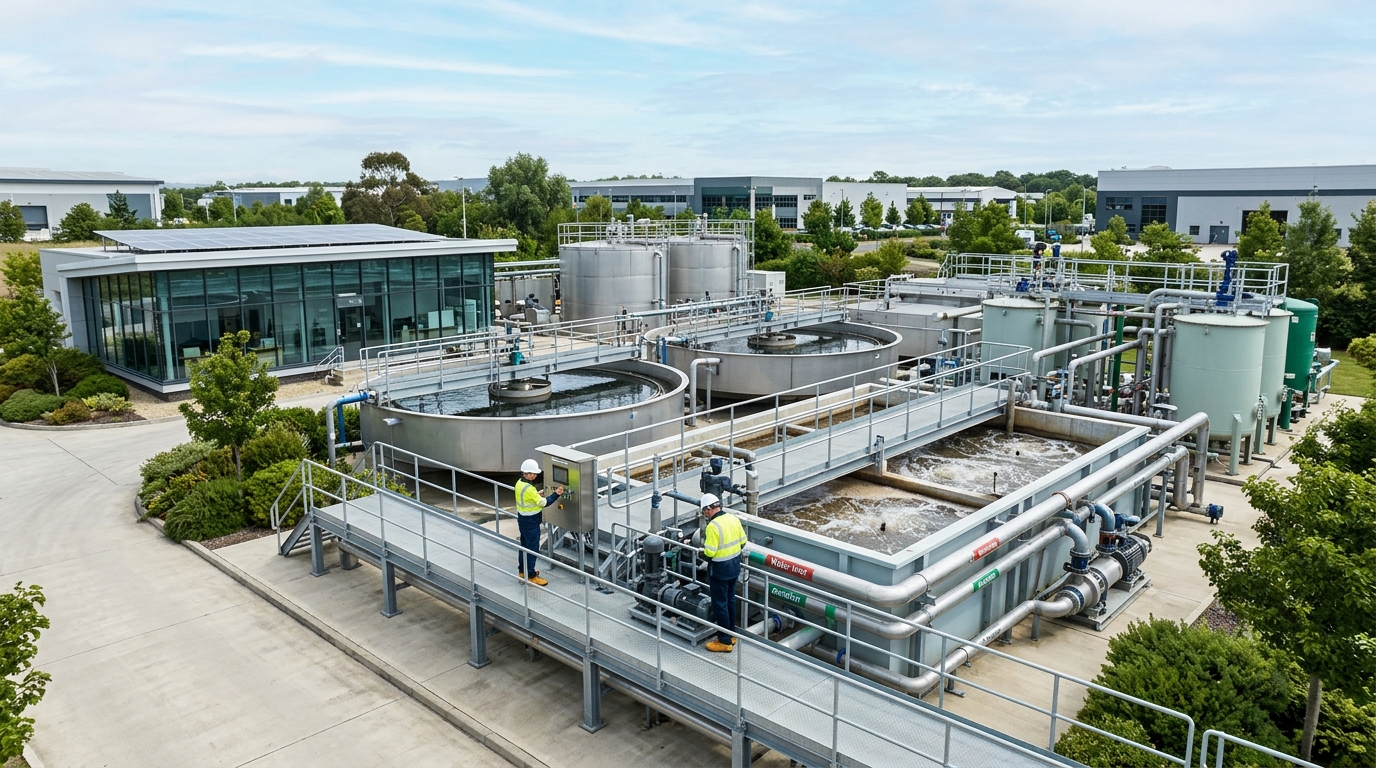
Understanding the Need for an ETP Treatment Plant
Every business that generates effluent must comply with local and national regulations regarding waste management. If you’re situated in Guntur and are unsure about your compliance status, it’s essential to consider investing in an ETP treatment plant. Regular inspections and upcoming regulatory changes can signal the need for an upgrade or installation.
For Effluent Water treatment plant, booking online takes a minute.
Investing in a new ETP treatment plant can seem daunting, but understanding when and why to invest can empower your business to maintain compliance and enhance operational efficiency. Here are several indicators that suggest it may be time to upgrade your effluent treatment capabilities.
Key Indicators for Investing in ETP Treatment Plants
1. Monitoring Regulatory Compliance
Regulatory compliance is non-negotiable for any business dealing with effluent. Depending on your industry, you may need to adhere to strict guidelines set by environmental authorities. This includes limits on discharge quality and quantity. In Guntur, local authorities often enforce these regulations through regular inspections.
Before booking a service or committing to an installation, check your compliance status. This can involve reviewing the last inspection report, assessing planned regulatory changes, and determining if your current system can meet future requirements. Regulatory-related costs can reach up to ₹5 lakhs annually; investing in a compliant ETP plant could potentially save your business from hefty fines and operational shutdowns.
2. Increased Effluent Production
Has your business recently expanded? Increased production often results in higher effluent generation. If your current system struggles to manage the higher volume or if it repeatedly exceeds permissible limits, it’s wise to evaluate options for a new ETP treatment plant. Typical installation costs for a new ETP can range from ₹10 lakhs to ₹50 lakhs, depending on the size of your operation and specific treatment needs. The installation process itself can take anywhere from two to six months, so planning ahead is essential.
Before making a purchase, assess the expected effluent volume as your business continues to grow, and consult with manufacturers about scalable solutions.
3. Outdated Technology
If your effluent treatment technology is more than 10 years old, it may be time to consider new options. Modern ETPs are more efficient, equipped with advanced treatment capabilities that can minimize pollutants effectively. On average, you might save 15-20% on operational costs with newer technology due to more efficient energy and chemical use. Consider reaching out to local manufacturers in Guntur who can provide you with the latest innovations to enhance productivity and compliance, further ensuring that your investment remains viable in the long term.
4. Frequent Pump Failures or Breakdowns
An increase in machinery malfunctions and breakdowns can indicate a suboptimal treatment system. If you find yourself consistently dealing with repairs, this is a key warning sign. Frequent breakdowns can lead to downtime, costing you not only in repairs but also in lost productivity. Assess your current system’s reliability and if breakdowns exceed 8-10% of operational time, it may be time to invest in a new ETP treatment plant.
Consider what your current system includes in terms of redundancy and reliability. Investing in high-quality machinery can ensure a dependable operation while maintaining effluent quality.
5. High Operating Costs
If your operational costs for effluent treatment have been rising exponentially, it might signal inefficiencies within your existing system. Analyze your monthly expenses related to energy consumption, maintenance, and chemical usage. In many industries, operational costs can constitute 15-30% of total expenses. A new ETP can be designed to be more cost-effective, potentially reducing these costs by up to 30%. Review your expenses closely before deciding on a new system, ensuring it aligns with your long-term financial goals.
6. Environmental Responsibility
More than ever, businesses are under pressure to adopt sustainable practices. This is not just for regulatory compliance but also for maintaining a good brand image. If you’re looking to improve your environmental impact, investing in a new ETP treatment plant is an excellent decision.
Modern ETPs incorporate eco-friendly solutions such as energy recovery and advanced filtration techniques, helping to minimize your carbon footprint. Additionally, this investment showcases your commitment to sustainable operations, which can enhance your reputation in the market.
7. Customer Expectations
In today’s market, customers are more aware of the environmental practices of businesses. If you want to improve your brand image and attract environmentally-conscious clients, upgrading to a modern ETP treatment plant can be a worthwhile investment. This can support compliance, improve operational efficiencies, and ultimately enhance customer loyalty. Engage your clients in discussions about your environmental commitment — a new ETP can serve as a point of pride rather than just a necessity.
8. Space Constraints
Sometimes, the existing space required for your current ETP might not be adequate for your increasing effluent treatment needs. If you are facing space issues or if retrofitting your existing plant is proving difficult, this is another indicator that investing in a new ETP treatment plant might be necessary.
Explore options for compact ETP solutions offered by manufacturers in Guntur. Innovative designs can often deliver superior performance without requiring significant additional space.
9. Integration with Other Systems
If your business has expanded its technology footprint — adopting automation or IoT systems, for instance — it might be worth considering a modern ETP treatment plant that integrates easily with these systems. Real-time monitoring through IoT can enhance efficiency, allowing you to respond to operational changes instantly. Consultation with manufacturers can provide insight into systems that offer smooth integration.
10. Preparing for Future Growth
If your business plans to expand or diversify its product lines, an upgraded ETP treatment plant can be a strategic investment. It not only prepares your business for growth but also ensures you meet future regulatory requirements. Assess how your plans align with your treatment needs, such as increased capacity or enhanced treatment processes. Planning in advance will save you time and costs in the long run.
Conclusion
Deciding when to invest in an ETP treatment plant is crucial for the sustainability of your business. Each indicator serves as a vital clue as to whether it is time for an upgrade or a new installation. Understanding typical costs, evaluating your current system, and planning for future growth will help you make an informed decision.
For businesses in Guntur, collaborating with reliable effluent treatment plant manufacturers will offer tailored solutions to meet your unique needs. Explore options now to ensure smooth operation and compliance in the future!
For more information, check out this Effluent Water treatment plant.
Related Posts
- Understanding RO Service: Essential Maintenance for Your Water Purification System
- How to Easily Contact the RO Helpline Number for Help
- Affordable RO Customer Care in Chennai: Pricing Guide
- Affordable Effluent Water Treatment Plant Options in Faridabad
- Best Water Softener Installation: DIY vs Hiring a Pro