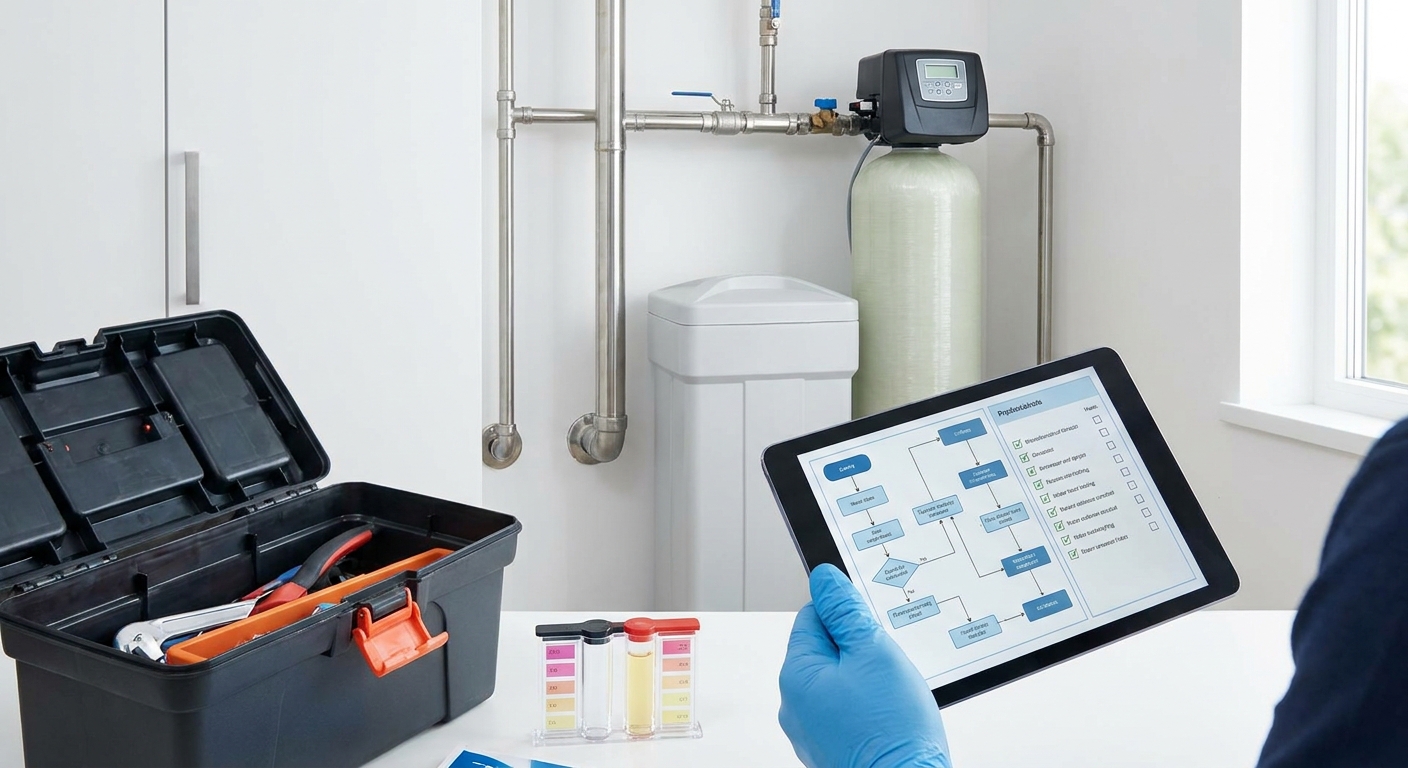
Understanding Water Softeners: Why They Matter
Water softeners are essential for maintaining the quality of your water supply. Hard water, which contains high levels of minerals like calcium and magnesium, can cause a range of issues such as scale buildup in pipes and appliances, dull laundry, and even dry skin. If you live in an area with hard water, knowing how to service your water softener is crucial to ensure it functions effectively.
Step 1: Identify Your Water Softener's Type
Before you begin any service, it’s important to know what type of water softener you have. The two most common types are:
Knowing your system will dictate the upkeep process and maintenance frequency.
Step 2: Regular Inspection
Conduct regular inspections of your water softener. Look for leaks, inspect the resin tank, and ensure that there are no clogs. It's advisable to check your system every three months. A quick visual inspection can save you from serious problems down the line.
Step 3: Refill Salt as Needed
For salt-based water softeners, keeping the salt tank filled is crucial. If the salt level drops too low, your softener will struggle to perform its function. Make it a habit to check the salt levels monthly and refill when necessary. Opt for a high-quality salt, as impurities can reduce efficiency.
Step 4: Clean the Brine Tank
Your brine tank plays a critical role in the softening process. To ensure optimal performance, it’s essential to clean it out at least once a year. This eliminates sludge and sediment build-up, which can inhibit the softener's operations. Simply drain the tank, scrub it with a mild detergent, and rinse thoroughly.
Step 5: Schedule Professional Maintenance
While DIY maintenance is vital, scheduling professional service every 1-2 years is equally important. A technician can identify issues you might miss and give your system a thorough check-up. To find a reliable local service, consider visiting Rocareindia official for specialized assistance.
Step 6: Monitor Water Quality
After servicing your water softener, keep an eye on your water quality. Look for signs such as spots on dishes or changes in taste. If problems persist, it may indicate that your softener needs further attention.
Conclusion
Regularly servicing your water softener ensures clean, high-quality water in your home. By following these steps, you can prolong the life of your unit and enjoy the many benefits of softened water. Remember, when in doubt, seek professional help to keep your water system in top condition!